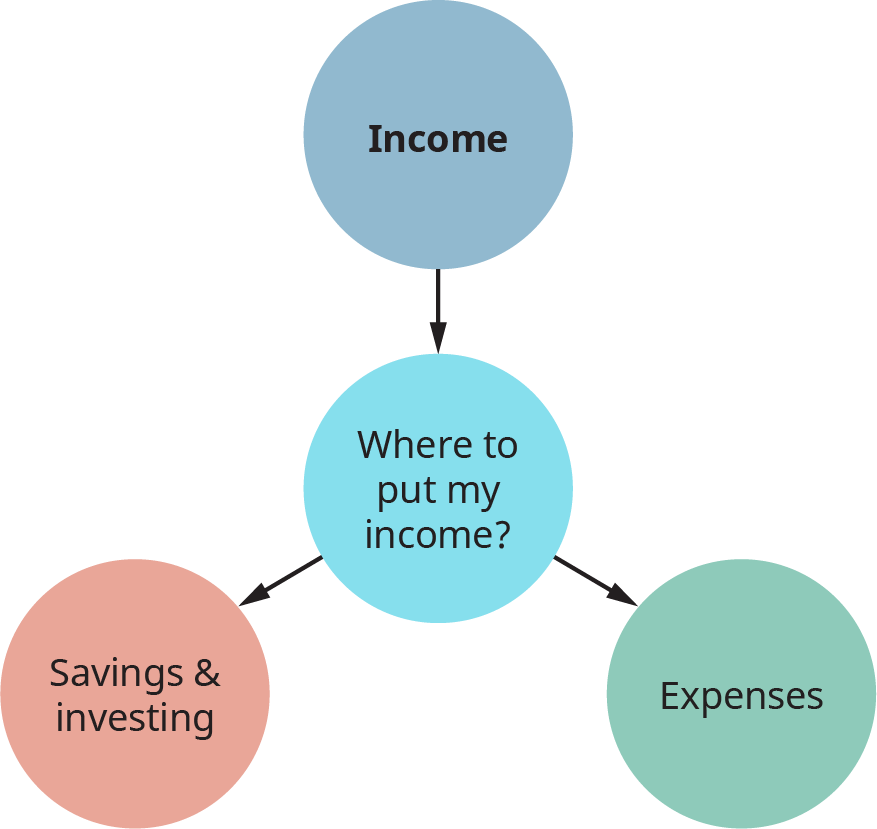

- Most SMEs struggle from lack of financial visibility, not lack of sales; the right reports at the right time separate surviving businesses from scalable ones.
- Weekly reports drive operational control: cash position summary, receivables aging, payables tracking, weekly expense summary and a sales performance snapshot.
- Monthly reports drive strategy and compliance: profit and loss statement, balance sheet, cash flow statement, budget vs actual, and a tax and compliance summary aligned with eTIMS.
- Reporting frequency and timing matter more than report volume; weekly reports prevent surprises while monthly reports explain performance trends.
- Financial reporting is a control system, not just bookkeeping output; structured cycles make SMEs more resilient during KRA audits due to better data consistency.
Most financial reports sme in Kenya struggle not because they lack sales, but because they lack financial visibility. Without structured reporting, business owners operate blindly—reacting to cash shortages, tax pressure, and supplier demands instead of proactively managing performance.
A strong financial reports SME Kenya system separates surviving businesses from scalable ones. The key is not more reports, but the right reports at the right time—weekly for control and monthly for strategy.
Businesses that fail to structure reporting cycles often experience cash flow instability, delayed decision-making, and compliance risks, especially under Kenya’s increasingly digital tax environment.
To build proper financial reports sme systems, SMEs often need foundational support such as bookkeeping services and structured financial tracking.
Weekly and monthly financial reports sme serve completely different purposes. Weekly reports focus on immediate control, while monthly reports focus on performance analysis and compliance.
Without separating the two, SMEs often:
- Make delayed decisions
- Miss early cash flow warnings
- Fail to detect rising expenses
- Struggle with tax planning
A proper business owner reports weekly monthly structure ensures that financial reports sme decisions are both reactive (weekly) and strategic (monthly).
With increased KRA digital monitoring and eTIMS integration, SMEs are expected to maintain consistent transaction-level financial visibility that aligns with reporting cycles.
Weekly Financial Reports Every SME Owner Must Review
Weekly reporting is about operational control. It ensures that cash flow and day-to-day financial activity remain stable.
The most important weekly reports include:
Cash Position Summary
This shows available cash across all bank accounts and petty cash. It helps prevent liquidity crises before they occur.
Receivables Aging Report
This highlights overdue customer payments and helps improve collections.
Payables Tracking Report
This ensures suppliers are paid on time and avoids supply chain disruptions.
Weekly Expense Summary
This helps identify unnecessary spending trends early.
Sales Performance Snapshot
This tracks revenue movement and highlights early performance changes.
Weekly financial reports SME Kenya businesses rely on should be simple, fast, and decision-driven.
For stronger financial discipline, SMEs should integrate structured systems like audit and assurance services.
Monthly Financial Reports Every SME Owner Must Review
Monthly reports provide a complete financial reports sme picture and are essential for strategic planning.
Profit and Loss Statement
This shows whether the business is actually profitable after all expenses.
Balance Sheet
This provides a snapshot of assets, liabilities, and equity.
Cash Flow Statement
This tracks money movement in and out of the business.
Budget vs Actual Report
This compares expected performance with actual results.
Tax and Compliance Summary
This ensures alignment with KRA requirements and eTIMS submissions.
Monthly reporting is the backbone of any sme financial dashboard nairobi businesses use for decision-making.
For improved compliance readiness, SMEs can benefit from tax compliance advisory services.
Weekly vs Monthly Reporting Comparison for SMEs
This clearly shows that weekly reporting supports control, while monthly reporting supports strategy and compliance.
Common Mistakes SMEs Make With Financial Reporting
Many SMEs in Kenya fail because they misunderstand how reporting works.
Common mistakes include:
- Relying only on monthly reports
- Ignoring weekly cash tracking
- Not reviewing receivables regularly
- Poor expense classification
- Lack of structured reporting systems
These mistakes often lead to cash flow instability even in profitable businesses.
SMEs can improve internal structure through CFO advisory services.
Building a Practical SME Financial Dashboard Nairobi Businesses Can Use
A proper SME financial dashboard Nairobi system should be simple, consistent, and decision-focused.
Weekly Dashboard Includes:
- Cash balance overview
- Receivables status
- Payables due
- Weekly revenue tracking
Monthly Dashboard Includes:
- Profit and loss summary
- Expense breakdown
- Budget vs actual analysis
- Tax obligations summary
This ensures business owners always have visibility without overload.
For structured financial systems, SMEs can strengthen governance through company secretarial services.
Why Reporting Frequency Matters More Than Report Volume
Many SME owners mistakenly assume that more reports equal better control. In reality, timing matters more than volume.
Weekly reports prevent financial surprises.
Monthly reports explain performance trends.
Without weekly visibility, problems escalate unnoticed. Without monthly analysis, long-term patterns remain unclear.
Training support is available through Adamjee Training and webinars.
Strengthening Financial Discipline Through Reporting Systems
Financial discipline is built through consistent review, not complexity.
SMEs that follow structured reporting cycles:
- Make faster decisions
- Reduce financial risk
- Improve profitability tracking
- Strengthen compliance readiness
Businesses with structured reporting systems are significantly more resilient during KRA audits and financial reviews due to improved data consistency.
Conclusion: Reporting Is a Control System, Not an Accounting Task
Financial reports sme is not just bookkeeping output—it is a control system that drives business survival and growth.
Weekly reports protect liquidity and operations. Monthly reports protect profitability and compliance. Together, they create a complete financial management framework.
A structured financial reports SME Kenya system ensures that business owners stay in control rather than reacting to financial problems after they occur.