
- Internal control failure is structural: where duties are not segregated and one person can initiate, approve, and reconcile payments, fraud exposure becomes systemic.
- From 1 January 2026, expenses not supported by valid eTIMS invoices are disallowed for income tax, creating both tax exposure and invoice manipulation risk.
- Common SME fraud schemes include payroll manipulation (ghost employees), procurement fraud (kickbacks, duplicate vendors), revenue suppression, and financial statement manipulation.
- A statutory audit is a system integrity test covering IFRS compliance, internal controls, fraud risk, eTIMS validation, IT access, and segregation-of-duties mapping.
- Audit exemption does not remove director liability; exempt entities remain accountable for financial accuracy and can still face KRA investigations and tax adjustments.
Statutory Audit Guide: A Defensive Framework for Fraud Prevention in 2026
Kenyan SMEs rarely collapse because of poor sales. They collapse because of silent financial leakage. Fraud, override of controls, undocumented approvals, payroll manipulation, and supplier collusion gradually erode profitability until liquidity tightens and tax exposure escalates.
A properly implemented Statutory Audit Kenya Guide is no longer a regulatory checkbox under the Kenyan Companies Act. In 2026, it is a structured defense mechanism against operational and financial risk.
At Adamjee Auditors, a member of the SFAI Global network, we consistently observe the same pattern: profitable businesses on paper leaking capital through preventable internal control weaknesses.
This advisory dissects those weaknesses and explains how statutory audit and assurance services close fraud loopholes before regulatory enforcement or reputational damage occurs.
Why Internal Financial Controls Fail in Kenyan SMEs
Internal control failure is structural, not accidental.
Where duties are not segregated and oversight is predictable, fraud risk becomes inevitable.
Internal financial controls are the policies and system safeguards that ensure:
-
Transactions are authorized
-
Assets are protected
-
Financial records are accurate
-
Compliance is maintained
Directors are legally responsible for maintaining adequate accounting systems. However, in practice, many SMEs operate with:
-
Founder-dominated financial authority
-
Informal approval chains
-
Weak reconciliation routines
-
Overreliance on trust
The most dangerous weakness is concentration of power. If one individual can initiate, approve, and reconcile payments, exposure is systemic.
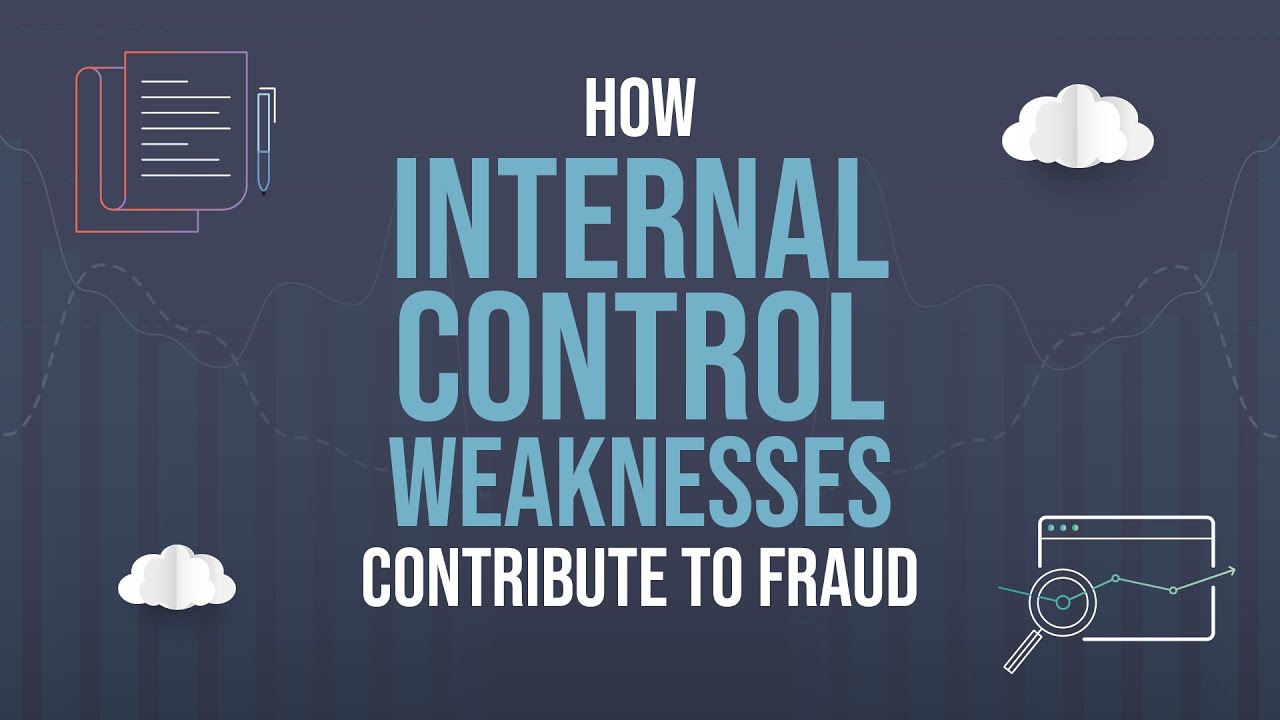
A structured Audit and Assurance Services engagement evaluates whether your internal financial controls can withstand manipulation.
The 2026 eTIMS Enforcement Rule: A New Fraud Exposure Layer
From 1 January 2026, expenses not supported by valid eTIMS invoices are disallowed for income tax purposes.
Weak invoice validation controls now create both tax exposure and fraud opportunity.
The Kenya Revenue Authority has tightened enforcement of the Electronic Tax Invoice Management System (eTIMS). Expense deductibility now depends on digital validation.
This creates two immediate risks:
-
Disallowed tax deductions
-
Increased opportunity for invoice manipulation
If procurement processes do not integrate independent eTIMS verification, businesses face:
-
Ghost suppliers
-
Inflated invoices
-
Collusive vendor arrangements
-
Duplicate payment processing
A structured Tax Compliance Services framework embeds invoice validation controls directly into workflow design rather than relying on year-end corrections.
The Most Common Employee Fraud Schemes in SMEs
Fraud thrives where documentation is weak and reconciliation is irregular.
The absence of structured audit testing increases both frequency and magnitude of loss.
Across Nairobi and Mombasa engagements, the most common schemes include:
Payroll Manipulation
-
Ghost employees
-
Inflated overtime claims
-
Unauthorized salary adjustments
-
PAYE misreporting
Structured Payroll Services must include statutory reconciliation and independent review.
Procurement Fraud
-
Kickback arrangements
-
Duplicate vendor accounts
-
Approval threshold bypass
Revenue Suppression
-
Cash sales skimming
-
POS overrides
-
Delayed banking
Financial Statement Manipulation
-
Inventory inflation
-
Deferred expense recognition
-
Artificial profit smoothing
These issues are rarely detected internally. They are typically uncovered through structured audit procedures aligned with the Statutory Audit Kenya Guide framework.
What a Statutory Audit Kenya Guide Actually Examines
A statutory audit is not merely financial verification. It is a system integrity test. Its purpose is to determine whether your controls can resist manipulation.
A comprehensive audit evaluates:
-
IFRS compliance
-
Adequacy of internal controls
-
Financial reporting accuracy
-
Fraud risk exposure
-
Digital audit trail integrity
At Adamjee Auditors, statutory audit includes:
-
eTIMS validation testing
-
IT access control review
-
Segregation-of-duties mapping
-
Analytical anomaly detection
-
Fraud risk interviews
For first-time audits, the structured approach outlined in the First Financial Audit Kenya Guide provides practical preparation guidance.
Finance Act 2025: Algorithmic Oversight Has Changed Enforcement
The 2025 Finance Act expanded digital cross-matching and automated compliance review. Your accounting system must now withstand algorithmic scrutiny — not just manual audit testing.
Regulatory developments include:
-
Automated VAT cross-referencing
-
Income tax digital matching
-
Real-time payroll validation
-
Third-party transaction monitoring
The Kenya Revenue Authority’s Automated Payment Plan (APP) mechanism now enables structured tax settlement while simultaneously accelerating enforcement against non-compliant entities.
Weak controls are no longer hidden. They are detectable through system-level analytics.
Internal Financial Controls Every SME Must Strengthen in 2026
Fraud prevention is architectural. Control design determines exposure.
| Control Area | Minimum 2026 Standard | Risk if Weak |
|---|---|---|
| Segregation of Duties | Separate initiation, approval, reconciliation | Payment fraud |
| eTIMS Verification | Mandatory validation before payment | Expense disallowance |
| Bank Reconciliation | Monthly independent review | Cash leakage |
| Payroll Compliance | PAYE alignment & audit trail | Statutory penalties |
| System Access | Role-based permissions | Override abuse |
SMEs using outdated accounting systems without structured audit logs face heightened risk. The advisory on How to Choose the Right Accounting Software in Kenya explains how technology affects compliance strength.
Audit Exemption Does Not Eliminate Fraud Risk
Audit exemption does not remove director liability. Even exempt entities remain fully accountable for financial accuracy.
While some SMEs qualify for exemption thresholds, this does not shield them from:
-
KRA investigations
-
Tax adjustments
-
Director accountability
The advisory on Audit Exemption Kenya Small Company clarifies eligibility and risk boundaries.
In many cases, voluntary audit strengthens governance and investor confidence.
Strengthening Governance Through Strategic Advisory
Fraud prevention must evolve with business growth. Governance structures must mature alongside revenue expansion.
Structured CFO Advisory Services provide:
-
Cash flow forecasting
-
Capital risk modeling
-
Internal control redesign
-
Strategic compliance planning
Proper documentation and statutory record management are reinforced through Company Secretarial Services.
For businesses operating internationally, structured Offshore Accounting Services ensure cross-border compliance alignment.
Adamjee Advisory Insight: 2026 Risk Reality
Three regulatory realities define 2026:
-
Expenses without eTIMS validation are disallowed.
-
Digital cross-matching by KRA is automated and continuous.
-
Tax settlement through APP mechanisms reduces negotiation leverage for non-compliant entities.
This environment demands proactive compliance — not reactive correction.
A properly executed statutory audit identifies fraud vulnerabilities before regulators do.
Navigate the complexities of compliance, tax, and financial management with a trusted partner. Adamjee Auditors, a member of Santa Fe Associates International (SFAI), provides world-class audit, tax, and advisory services to help your business achieve its goals.
Schedule a consultation with our expert team in Nairobi or Mombasa to discuss your business needs.
Nairobi Office
1st Floor, Le’Mac Building, Church Road, off Waiyaki Way, Westlands
+254 717 908 241
info@adamjeeauditors.com
Mombasa Office
Suite 401, Motorwalla Building, Jomo Kenyatta Road
+254 703 899 606 / +254 717 908 241
info@adamjeeauditors.com
adamjeeauditors.com