Quick Answer
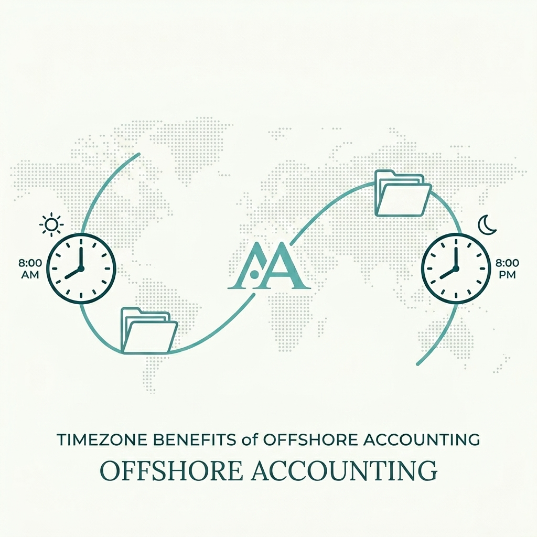
Timezone overlap matters in offshore accounting because aligned working hours between offshore finance teams and client headquarters reduce delays between transaction processing, review and reporting, enabling real-time financial control. Kenya's EAT timezone gives it strong overlap with Europe, the Middle East and parts of Asia.
Key Takeaways
- Timezone benefits offshore accounting let businesses achieve real-time financial control by reducing delays between transaction processing, review cycles and management reporting.
- Kenya, operating on East Africa Time (EAT), is well positioned to serve Europe, the Middle East and parts of Asia, making it a strong alternative to India and the Philippines.
- Compared with India and the Philippines, Kenya offers stronger real-time financial collaboration with Europe and the Middle East due to superior timezone overlap with UK working hours.
- Without timezone overlap, finance teams operate in delayed cycles causing 24-48 hour lags in decision-making, late error detection and outdated cash flow data.
- Kenya's strengths include a strong English-speaking finance workforce, IFRS-aligned accounting systems, competitive costs and strategic timezone positioning, moving it from a cost-based outsourcing destination to a high-value financial services hub.
Frequently Asked Questions
Why does timezone overlap matter in offshore accounting?
Aligned working hours reduce the gap between transaction processing, review cycles and management reporting, enabling real-time financial control. Without overlap, teams operate in delayed cycles causing 24-48 hour lags in decision-making.
How does Kenya compare to India and the Philippines for offshore accounting?
Kenya's EAT timezone gives stronger UK working-hours overlap and excellent Europe collaboration, with high real-time accounting support and fast reporting speed, outperforming India and the Philippines for firms needing rapid reconciliation and reporting.
What real-time advantages does Kenya's EAT timezone provide?
By aligning with European and Middle Eastern financial cycles, Kenya enables same-day financial reporting, live query resolution with clients, faster month-end closing cycles and continuous ledger updates, creating a same-business-day workflow advantage.
What financial risks come from poor timezone alignment?
Misaligned offshore teams detect errors late, produce fragmented financial reporting, slow audit preparation and leave cash flow data outdated, increasing overall financial risk.
Why is Kenya emerging as a global offshore accounting hub?
Kenya is transitioning from a cost-based outsourcing destination to a high-value financial services hub driven by its timezone advantage, strong English-speaking and IFRS-aligned finance workforce, competitive cost structure and integration into networks such as SFAI.