- Common employee equity structures include employee share ownership plans, share option schemes, restricted share awards, performance share plans and share purchase plans, each carrying different legal, accounting and tax implications.
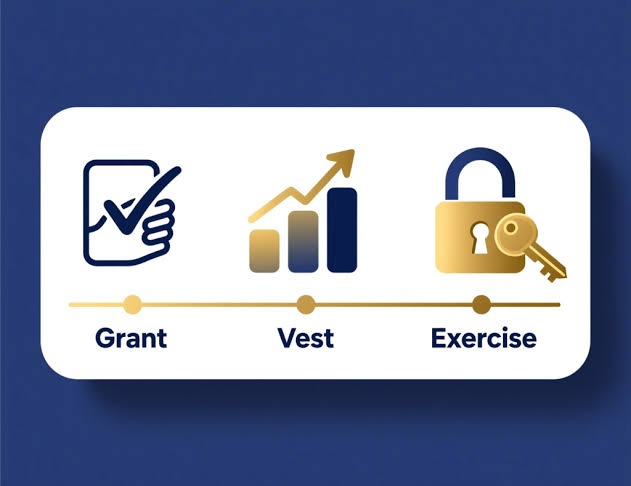
- Depending on how the scheme is structured, employees may become liable for tax at grant, vesting, exercise or disposal, so employers must review the timing of taxation, share valuation, taxable benefit calculations, payroll reporting and supporting documentation.
- Incorrect payroll treatment of an employee share scheme can expose the business to PAYE assessments, interest, penalties and compliance disputes.
- Scheme rules should be documented before shares are offered, covering eligibility, the number of shares available, vesting periods, performance conditions, exit provisions, share transfer restrictions, employee rights and valuation methods.
- Accounting for an ESOP affects fair value measurement, employee compensation expense, vesting schedules, share capital, equity reserves and financial statement disclosures.
- Before issuing employee shares a company must review its Articles of Association, shareholder approvals, board resolutions, share capital structure, existing shareholder rights and share transfer restrictions under the Companies Act.
ESOPs in Kenya are increasingly used by businesses to attract, motivate, and retain talented employees. However, an employee share ownership plan must be carefully structured because poor implementation can create unexpected PAYE obligations, accounting challenges, and compliance risks.
Competition for skilled professionals continues to increase across Kenya. Technology companies, financial institutions, manufacturing businesses, professional firms, and growing SMEs are looking for compensation structures that reward employees without relying entirely on cash salaries. One of the most effective long-term incentives is an Employee Share Ownership Plan (ESOP).
Well-designed ESOPs in Kenya align employees’ interests with those of shareholders by allowing staff to participate in the company’s future growth. Employees become invested in the organisation’s success, encouraging improved performance, innovation, and long-term commitment.
However, implementing an ESOP involves more than issuing shares. Businesses must consider taxation, valuation, accounting treatment, company law requirements, payroll implications, and employee communication before launching a scheme.
Without proper planning, an ESOP can create disputes, unexpected tax liabilities, and compliance issues during a KRA audit.
Adamjee Auditors assists businesses in designing tax-efficient employee incentive schemes, assessing accounting implications, strengthening governance, and ensuring compliance with Kenyan tax legislation.
Businesses considering employee ownership schemes can begin with our Business Advisory Services to evaluate the most appropriate structure.
ESOPs in Kenya: What Is an Employee Share Ownership Plan?
ESOPs in Kenya allow employees to acquire ownership interests in the company through shares, share options, or other equity-based incentive arrangements. The objective is to align employee performance with the long-term success of the business.
Unlike cash bonuses, employee share schemes encourage staff to think like owners.
Employees benefit when the company grows in value, while employers improve retention and reduce employee turnover.
Common forms of employee equity incentives include:
- Employee Share Ownership Plans
- Share option schemes
- Restricted share awards
- Performance share plans
- Share purchase plans
Each structure has different legal, accounting, and tax implications.
Why Businesses Introduce ESOPs in Kenya
ESOPs in Kenya help businesses attract skilled employees, improve staff retention, and reward long-term performance without relying entirely on salary increases.
Companies introduce employee share schemes to:
- Retain key employees
- Reward outstanding performance
- Align employee and shareholder interests
- Reduce staff turnover
- Support succession planning
- Encourage long-term business growth
For start-ups and rapidly growing businesses, ESOPs provide a practical method of rewarding employees while preserving cash flow.
However, employers should balance commercial objectives with tax and compliance requirements.
ESOPs in Kenya: Structuring the Scheme Correctly
The success of ESOPs in Kenya depends on proper planning. Businesses should establish clear rules covering eligibility, vesting, valuation, taxation, and administration before offering shares to employees.
A well-designed ESOP should address:
- Which employees qualify
- Number of shares available
- Vesting periods
- Performance conditions
- Exit provisions
- Share transfer restrictions
- Employee rights
- Valuation methods
Clear documentation reduces misunderstandings between employers and employees.
Professional advisers should review the structure before implementation.
ESOPs in Kenya and PAYE Tax Implications
PAYE is one of the most important tax considerations when implementing ESOPs in Kenya. Depending on how the scheme is structured, employees may become liable for tax when shares or options are granted, vested, exercised, or disposed of under applicable tax rules.
Employers should carefully review:
- Timing of taxation
- Share valuation
- Taxable benefit calculations
- Payroll reporting
- Supporting documentation
Incorrect payroll treatment can expose businesses to:
- PAYE assessments
- Interest
- Penalties
- Compliance disputes
Businesses should work closely with qualified tax advisers before issuing employee shares.
Adamjee Auditors assists employers through professional Tax Compliance Advisory Services to ensure employee incentive schemes comply with Kenyan tax requirements.
Accounting Treatment of ESOPs in Kenya
The accounting treatment of ESOPs in Kenya should comply with the applicable financial reporting framework adopted by the company. Equity-based compensation affects both financial statements and corporate reporting.
Businesses should consider:
- Fair value measurement
- Employee compensation expense
- Vesting schedules
- Share capital
- Equity reserves
- Financial statement disclosures
Accurate accounting improves transparency and supports informed management decisions.
Companies should maintain complete documentation supporting all accounting entries relating to employee share schemes.
Businesses can strengthen financial reporting through our professional Bookkeeping Services.
Company Law Considerations for ESOPs in Kenya
ESOPs in Kenya should also comply with the Companies Act, company constitutions, shareholder agreements, and corporate governance requirements.
Before issuing employee shares, businesses should review:
- Articles of Association
- Shareholder approvals
- Board resolutions
- Share capital structure
- Existing shareholder rights
- Share transfer restrictions
Failure to follow proper corporate procedures may create legal challenges later.
Professional governance advice helps ensure the scheme operates effectively.
Valuation of Shares Under ESOPs in Kenya
Share valuation is a critical component of ESOPs in Kenya because tax calculations, employee benefits, and financial reporting often depend on the value assigned to company shares.
Valuation may consider:
- Profitability
- Assets
- Cash flow
- Industry performance
- Growth prospects
- Comparable businesses
An independent valuation improves transparency and reduces future disputes.
Businesses should periodically review valuations where employee share plans continue over several years.
ESOPs in Kenya and Employee Retention
One of the greatest advantages of ESOPs in Kenya is improved employee retention. Employees who share in the company’s future success are often more committed to long-term business growth.
Well-designed ESOPs encourage employees to:
- Remain with the company
- Improve productivity
- Support innovation
- Focus on sustainable growth
- Build shareholder value
Many organisations combine ESOPs with performance management systems to strengthen employee engagement.
Risks Businesses Should Consider
Although ESOPs provide many advantages, businesses should recognise potential risks.
Common challenges include:
- Complex tax treatment
- Share valuation disputes
- Employee expectations
- Administrative costs
- Compliance requirements
- Shareholder dilution
These risks can be managed through proper planning and professional advice.
Businesses should periodically review the effectiveness of their employee ownership schemes as the organisation grows.
Governance and Administration of ESOPs in Kenya
Strong governance is essential for successful ESOPs in Kenya. Businesses should establish documented policies covering administration, approvals, reporting, and employee communication.
Effective governance includes:
- Board oversight
- Independent valuation where appropriate
- Regular reporting
- Employee education
- Clear documentation
- Internal controls
A well-governed ESOP strengthens confidence among employees, investors, and regulators.
Businesses can improve governance through Audit & Assurance Services.
Adamjee Advisory Insights (2026)
Employee ownership continues to evolve as Kenyan businesses compete for skilled professionals in an increasingly competitive labour market.
Before implementing ESOPs, companies should review:
- Tax implications
- Accounting treatment
- Corporate governance
- Financial reporting
- Share valuation
- Employee communication
A properly structured employee share scheme can strengthen staff retention while supporting sustainable business growth.
Businesses considering equity-based incentives should also evaluate their long-term financial strategy through CFO Advisory Services.
ESOPs in Kenya provide businesses with an effective way to reward employees, improve retention, and align staff interests with long-term corporate success. However, successful implementation requires careful planning around taxation, accounting, valuation, governance, and compliance.
Businesses that invest time in designing a compliant employee share scheme are better positioned to motivate employees while avoiding unnecessary PAYE disputes and financial reporting challenges.
Whether your organisation is introducing its first employee share plan or reviewing an existing scheme, professional advice helps ensure that commercial objectives and regulatory obligations remain aligned.
Gain Clarity and Confidence in Your Finances
Navigate the complexities of compliance, tax, and financial management with a trusted partner. Adamjee Auditors, a member of Santa Fe Associates International (SFAI), provides world-class audit, tax, accounting, and advisory services to help businesses grow with confidence.
Whether you need assistance with ESOP structuring, employee share scheme taxation, payroll compliance, financial reporting, statutory audits, bookkeeping, or corporate advisory services, our experienced professionals are ready to support your business with practical and compliant solutions.
Nairobi Office
1st Floor, Le’Mac Building
Church Road, off Waiyaki Way
Westlands, Nairobi
Phone: +254 703 899 606 / +254 717 908 241
Email: info@adamjeeauditors.com
Mombasa Office
Suite 401, Motorwalla Building
Jomo Kenyatta Road
Mombasa
Phone: +254 703 899 606 / +254 717 908 241
Email: info@adamjeeauditors.com
Website: https://adamjeeauditors.com/