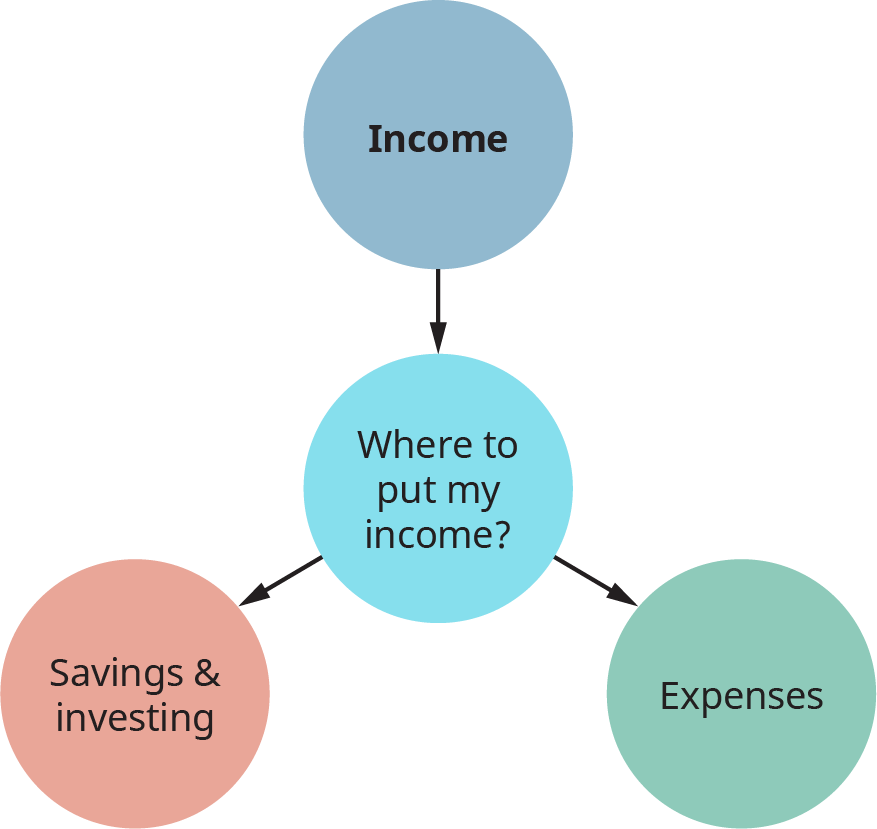

- Hospitals manage multiple revenue streams (patient fees, insurance reimbursements, and donor grants) that require robust financial oversight and accurate reconciliation.
- Strong billing controls such as digital billing systems, insurance verification before service, revenue reconciliation, and staff training reduce revenue loss and claim denials.
- Kenyan hospitals may qualify for tax exemptions, including VAT exemptions on medical supplies and equipment, duty exemptions on imported medical equipment, and income tax relief for some non-profit hospitals.
- Stable cash flow depends on forecasting, prioritising payroll and medical supplies, diversifying revenue, and maintaining contingency reserve funds.
- Internal controls like segregation of duties, regular reconciliations, and audit trails support compliance with PAYE, NHIF, NSSF, VAT, and IFRS-aligned reporting.
Healthcare institutions in Kenya face unique financial challenges. From managing complex insurance billing to navigating tax exemptions and maintaining cash flow, hospitals and clinics require meticulous financial management. Healthcare financial management Kenya is a strategic necessity to ensure sustainability, regulatory compliance, and operational efficiency.
For CFOs, finance managers, and hospital administrators, adopting structured financial practices is not just about compliance—it directly impacts the quality of patient care, profitability, and organizational growth. By integrating professional advisory services, healthcare providers can optimize billing, implement robust controls, and leverage tax exemptions effectively.
Explore Tax Compliance Advisory for Kenyan healthcare institutions.
The Importance of Healthcare Financial Management in Kenya
Effective healthcare financial management Kenya ensures that all hospital operations—from revenue generation to expense control—are conducted efficiently and transparently. Hospitals handle multiple revenue streams including patient fees, insurance reimbursements, and donor grants, making robust financial oversight essential.
Key Benefits:
- Revenue Accuracy: Ensures patient billing and insurance claims are processed correctly
- Regulatory Compliance: Meets KRA reporting requirements and other statutory obligations
- Operational Efficiency: Optimizes resource allocation and reduces financial waste
- Cash Flow Stability: Supports timely procurement of medical supplies and payroll management
Healthcare organizations that prioritize financial management can enhance service delivery while maintaining compliance with Kenyan tax laws and accounting standards.
Bookkeeping Services help hospitals track revenues, expenses, and grants accurately.
Effective Billing Controls for Hospitals
Billing is one of the most critical components of healthcare financial management Kenya. Inefficient billing processes can lead to revenue loss, delayed reimbursements, and compliance risks.
Challenges in Hospital Billing:
- Multiple insurance providers with varying claim requirements
- High volume of patient transactions
- Manual billing errors and data entry mistakes
- Difficulty reconciling payments with accounting systems
Best Practices for Billing Controls:
- Digital Billing Systems: Automate invoicing and track patient payments to reduce errors.
- Insurance Verification: Confirm patient coverage before services to prevent claim denials.
- Revenue Reconciliation: Regularly reconcile payments received against billed amounts to detect discrepancies.
- Staff Training: Equip finance staff with up-to-date knowledge on billing standards and KRA compliance.
Implementing these practices strengthens financial integrity and ensures hospitals capture all revenue accurately.
Payroll Services can also integrate with billing systems to streamline staff compensation.
Managing Insurance Claims Effectively
Insurance reimbursement is a complex area for healthcare providers in Kenya. Accurate claims processing is critical for maintaining cash flow and compliance.
Key Considerations:
- Claim Accuracy: Ensure claims are complete, with supporting documentation for services rendered.
- Timely Submission: Delays in submitting claims can negatively impact cash flow.
- Dispute Management: Establish procedures to handle rejected or underpaid claims efficiently.
Professional healthcare financial management Kenya services ensure that insurance claims are processed promptly, reducing delays and improving revenue stability.
Audit and Assurance Services can review insurance claim processes and identify gaps in compliance.
Leveraging Tax Exemptions in Healthcare
Many hospitals and clinics in Kenya are eligible for specific tax exemptions. Understanding and applying these exemptions is a critical component of healthcare financial management Kenya.
Common Tax Exemptions:
- Exemptions for medical supplies and equipment under the VAT Act
- Duty exemptions for imported medical equipment
- Non-profit hospitals may have income tax relief under certain conditions
- Exemptions on donor-funded grants for specific projects
Best Practices:
- Maintain Accurate Records: Document all qualifying expenses and imports.
- Regular Compliance Reviews: Verify that exemptions are applied correctly and supported with proper documentation.
- Engage Professional Advisors: Ensure that claims for exemptions are compliant with KRA regulations and latest Finance Acts.
Proper application of tax exemptions can significantly reduce operational costs and improve overall hospital profitability.
Contact Us for guidance on tax exemptions for healthcare providers.
Cash Flow Management in Healthcare
Maintaining stable cash flow is essential for hospitals to meet daily operational expenses, payroll, and procurement needs. Healthcare financial management Kenya involves rigorous cash flow planning and monitoring to prevent financial stress.
Key Strategies:
- Forecasting: Prepare monthly and quarterly cash flow projections.
- Expense Prioritization: Allocate funds to critical operations first, including payroll and medical supplies.
- Revenue Diversification: Balance revenue streams from patient fees, insurance, and grants.
- Reserve Funds: Maintain a contingency fund for unexpected costs or emergencies.
Effective cash flow management ensures that hospitals remain financially resilient while delivering high-quality patient care.
Explore CFO Advisory Services to implement advanced cash flow strategies.
Compliance with KRA and Statutory Requirements
Kenyan healthcare providers must comply with multiple regulatory requirements, including:
- Timely PAYE, NHIF, and NSSF submissions
- VAT reporting on chargeable services and imports
- Accurate financial statements aligned with IFRS standards
Professional healthcare financial management Kenya ensures that hospitals meet all statutory obligations, reducing the risk of penalties, fines, or audits.
Learn more about Tax Compliance Advisory for hospitals.
Internal Controls and Audit Readiness
Internal controls are essential to maintain financial integrity and prepare for audits. Hospitals should implement:
- Segregation of duties to prevent fraud
- Regular reconciliation of bank accounts and patient receipts
- Audit trails for all billing and payroll transactions
- Periodic internal reviews to detect errors early
Professional auditing not only verifies compliance but also identifies inefficiencies and opportunities for improvement in financial processes.
Audit and Assurance Services provide structured internal audit solutions for healthcare institutions.
Managing Payroll in Hospitals
Payroll is one of the largest expenses for hospitals. Proper management ensures compliance with labor laws and statutory contributions.
Key Considerations:
- Accurate recording of employee salaries, allowances, and deductions
- Timely remittance of PAYE, NHIF, and NSSF contributions
- Integration with billing and accounting systems to ensure consistency
- Automation to reduce errors and improve efficiency
Integrating payroll management into healthcare financial management Kenya strengthens operational control and ensures staff are compensated correctly.
Payroll Services can simplify payroll processes for hospitals.
Donor Grants and Healthcare Funding of healthcare financial management Kenya
Many healthcare facilities rely on grants from government bodies, NGOs, and private donors. Proper management of these funds ensures compliance with grant conditions and supports financial stability.
Best Practices:
- Segregated Accounts: Keep grant funds separate from operational revenue.
- Regular Reporting: Provide donors with timely and accurate utilization reports.
- Audit Trails: Maintain documentation for all grant-related expenses.
- Advisory Support: Engage professionals to optimize grant compliance and reporting.
This ensures that hospitals maintain transparency and continue to qualify for future funding.
Bookkeeping Services can help track grants and donor funding accurately.
Technology Solutions for Healthcare Financial Management
Modern technology enhances financial management by:
- Automating billing and claims processing
- Monitoring cash flow in real time
- Streamlining payroll and staff compensation
- Ensuring compliance with statutory and tax requirements
Implementing integrated financial management systems strengthens healthcare financial management Kenya and reduces the risk of errors or delays in revenue collection.
Offshore Accounting Services provide additional solutions for hospitals managing international funding or multi-branch operations.
Common Challenges and How Advisory Services Help
Even experienced hospital finance teams face challenges such as:
- Billing errors due to manual processes
- Misapplication of tax exemptions
- Cash flow gaps affecting operations
- Complexity in reconciling multiple revenue streams
Professional healthcare financial management Kenya advisory services help hospitals address these challenges, implement best practices, and ensure compliance.
Contact Us to discuss tailored financial management solutions for your hospital or clinic.
Case Study: Nairobi Hospital Financial Optimization
A Nairobi-based hospital engaged healthcare financial management Kenya advisory services. Key outcomes included:
- Implementation of automated billing controls reducing revenue leakage by 12%
- Accurate application of tax exemptions on imported medical equipment
- Streamlined payroll processing and statutory compliance
- Improved cash flow forecasting and fund allocation for critical operations
This illustrates the tangible benefits of professional healthcare financial advisory.
Preparing for Future Audits and Compliance Reviews
Proactive measures to ensure audit readiness include:
- Maintaining accurate, up-to-date billing and payroll records
- Conducting internal reviews of financial systems and processes
- Regularly updating staff on statutory compliance changes
- Engaging professional advisory to implement robust controls
Hospitals that adopt these practices are better prepared for regulatory inspections and external audits.
Conclusion of healthcare financial management Kenya
Effective healthcare financial management Kenya is essential for clinics and hospitals to:
- Maintain accurate billing and insurance claim processes
- Leverage available tax exemptions
- Ensure stable cash flow and operational efficiency
- Comply with KRA and statutory requirements
Professional advisory services transform financial management into a strategic tool, enabling healthcare institutions to optimize resources, enhance compliance, and focus on delivering high-quality patient care.
Contact Adamjee Auditors
Nairobi Office
1st Floor, Le’Mac Building, Church Road, off Waiyaki Way, Westlands
Phone: +254 717 908 241
Email: info@adamjeeauditors.com
Mombasa Office
Suite 401, Motorwalla Building, Jomo Kenyatta Road
Phone: +254 703 899 606 / +254 717 908 241
Email: info@adamjeeauditors.com
Website: https://adamjeeauditors.com/