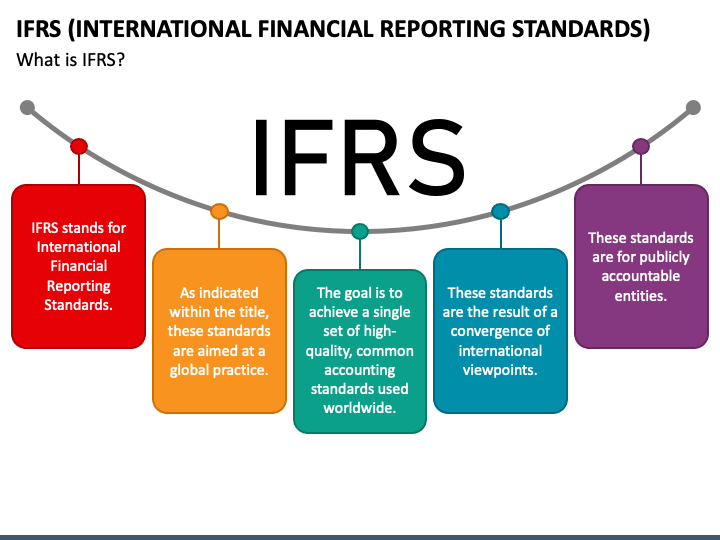
- IFRS 16 (IFRS Standards Kenya 2026) requires all operating leases to be recognised on the balance sheet as right-of-use assets and lease liabilities, ending off-balance-sheet treatment.
- Lease liabilities now count toward total debt, inflating debt-to-equity ratios, altering interest coverage and EBITDA metrics, and potentially reducing bank borrowing limits.
- Common errors include treating leases as expenses only, not separating interest and depreciation, failing to reassess lease terms after modifications, and overlooking embedded leases in service contracts.
- Monthly reconciliation of lease payments and integrating lease data into bookkeeping and management dashboards improves financial reporting accuracy.
- KRA expects full documentation for lease payments and asset recognition, and Finance Act 2025 requires asset and liability movements to be properly reconciled.
Understanding the Impact of IFRS 16 on Your Financial Statements
Lease accounting under IFRS 16 fundamentally changes how debt is presented.
Many Kenyan SMEs underestimate its effect on financial ratios and financing capacity.
The 2026 updates to IFRS Standards Kenya 2026 require that all operating leases be recognized on the balance sheet as right-of-use assets and lease liabilities. This change directly impacts lease liability accounting, potentially inflating reported debt and affecting your financial reporting accuracy.
At Adamjee Auditors, we see that businesses often struggle with this shift, misclassifying liabilities and overestimating available borrowing capacity. Leveraging professional Audit and Assurance Services ensures your lease accounting is compliant and transparent.
How Lease Liability Accounting Affects Debt Ratios
Lease liabilities now count toward total debt, affecting key ratios.
Incorrect reporting can make your business appear more leveraged than it actually is.
Key impacts include:
-
Debt-to-equity ratio inflation: Leases increase total liabilities, impacting covenant calculations.
-
Interest coverage ratio changes: Right-of-use liabilities may alter your EBITDA and interest metrics.
-
Bank financing implications: Overstated debt can reduce borrowing limits or increase interest costs.
Adamjee Auditors’ Audit and Assurance Services help SMEs adjust for these impacts, ensuring accurate representation of obligations and compliance with IFRS Standards Kenya 2026.
Common Mistakes in Lease Accounting
Ignoring IFRS 16 rules can distort your financial position.
Many SMEs still treat operating leases off-balance sheet, which is no longer allowed.
Common errors include:
-
Treating leases as expenses only, ignoring right-of-use assets.
-
Not separating interest and depreciation components of lease payments.
-
Failing to reassess lease terms after modifications.
-
Overlooking embedded leases in service contracts.
Professional audit teams, like Audit and Assurance Services, mitigate these mistakes by implementing systematic lease liability accounting reviews.
Ensuring Financial Reporting Accuracy in 2026
Accurate reporting is crucial for investors, banks, and regulators.
IFRS 16 compliance directly affects your credibility and financing options.
To maintain financial reporting accuracy:
-
Reassess all lease agreements for right-of-use recognition.
-
Align depreciation and interest charges with IFRS 16 guidance.
-
Integrate updated lease data into monthly Bookkeeping Services.
-
Include lease liabilities in dashboards for Management Reporting Services.
This ensures decision-makers have a true picture of obligations, liquidity, and debt ratios.
Regulatory Considerations: KRA and Beyond
Lease accounting also has tax and compliance implications.
Expenses not supported by documentation may be disallowed for deductions.
-
KRA now expects full documentation for lease payments and asset recognition.
-
Finance Act 2025 rules require that all asset and liability movements are properly reconciled in accounting systems.
-
Participating in Automated Payment Plan (APP) programs depends on accurate reporting.
Adamjee Auditors’ Tax Compliance Advisory integrates these checks into your reporting, ensuring both IFRS compliance and local regulatory alignment.
Strategic Benefits of IFRS 16 Compliance
Beyond compliance, proper lease accounting improves financial governance.
Accurate debt ratios enhance investor confidence and borrowing capacity.
Benefits include:
-
Transparency in total liabilities and contractual obligations
-
Improved financial reporting accuracy for lenders and shareholders
-
Informed strategic decisions regarding lease vs. buy choices
-
Integration with CFO Advisory Services for scenario planning
Adamjee Auditors ensures SMEs are equipped with tools and insights to maintain accurate financial statements and leverage their balance sheets optimally.
Adamjee Advisory Insights: IFRS Standards Kenya 2026
-
IFRS 16 requires recognition of right-of-use assets for all leases, altering total debt and ratios.
-
Monthly reconciliation of lease payments improves financial reporting accuracy.
-
Professional Audit and Assurance Services help mitigate errors that could impact financing.
-
Integrating lease accounting with Bookkeeping Services ensures seamless compliance.
Navigate the complexities of IFRS 16, KRA compliance, and financial reporting with a trusted partner. Adamjee Auditors, a member of Santa Fe Associates International (SFAI), provides world-class audit, tax, and advisory services to help your business achieve its goals.
Schedule a consultation with our expert team in Nairobi or Mombasa to discuss your business needs.
-
Nairobi Office – 1st Floor, Le’Mac Building, Church Road, off Waiyaki Way, Westlands, +254 717 908 241, info@adamjeeauditors.com
-
Mombasa Office – Suite 401, Motorwalla Building, Jomo Kenyatta Road, +254 703 899 606 / +254 717 908 241, info@adamjeeauditors.com