- Reconciliation compares five record sources: mobile money till statements, transaction reports, bank deposits, the accounting ledger and tax records.
- A till gap is the difference between the amount collected through mobile payment platforms and the amount reflected in the company's books.
- Six causes account for most till gaps: transactions recorded twice, payments received but never entered into the accounting system, incorrect customer allocations, delayed posting, unreconciled refunds or reversals, and manual data entry mistakes.
- A business receiving hundreds or thousands of mobile payments each month can accumulate significant financial discrepancies from small recording mistakes alone.
- Misallocated payments show up as receipts posted to the wrong customer, incorrect invoice matching, unidentified receipts and unrecorded payment references.
- In 2026, as KRA continues strengthening automated compliance monitoring, businesses with incomplete transaction trails may face increased scrutiny during reviews, so digital payment records must support reported revenue and eTIMS documentation.
Why Mobile Money Reconciliation Matters for Kenyan Businesses
Kenyan businesses are increasingly relying on digital payment channels to receive customer payments, manage sales, and improve transaction convenience. From retail shops and restaurants to professional service firms and growing SMEs, mobile money has become a critical part of daily operations.
However, many businesses face a hidden accounting challenge: ensuring that every mobile payment received is accurately recorded in their financial records. This is where mobile money reconciliation becomes essential.
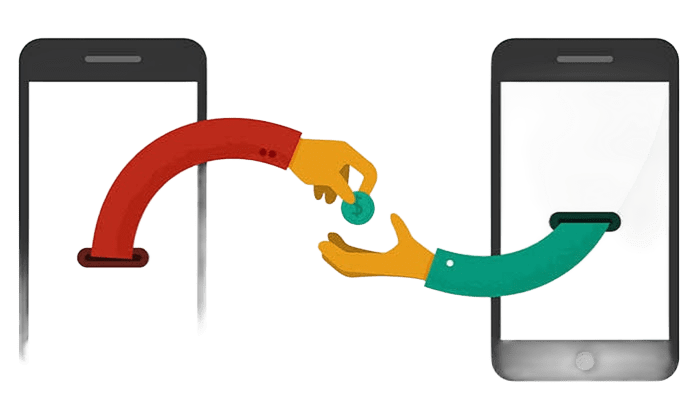
Mobile money reconciliation is the process of comparing mobile payment records, till statements, transaction reports, and accounting ledger entries to confirm that all transactions are complete, accurate, and properly recorded.
When businesses fail to perform regular mobile money reconciliation, they may experience unexplained differences between actual collections and reported revenue. These gaps can result in incorrect financial statements, VAT reporting issues, weak internal controls, and difficulties during audits.
Mobile money reconciliation helps businesses match digital payment collections with accounting records, ensuring accurate revenue reporting and stronger financial controls.
Regular reconciliation reduces errors, detects unusual transactions early, and improves readiness for tax reviews and external audits.
Adamjee Advisory Insights: In 2026, Kenyan businesses must pay closer attention to the connection between digital payment records, eTIMS documentation, and tax compliance. As KRA continues strengthening automated compliance monitoring, businesses with incomplete transaction trails may face increased scrutiny during reviews.
Strong mobile money reconciliation processes help businesses maintain reliable records that support VAT reporting, financial reporting, and audit preparation.
As a member of the SFAI Global network, Adamjee Auditors combines international professional standards with Kenyan regulatory expertise to help businesses improve accounting accuracy, compliance, and financial decision-making.
Businesses seeking stronger financial controls can explore our bookkeeping services or learn more about our professional support through the Adamjee Auditors website.
Mobile money reconciliation involves comparing digital payment information against accounting records to identify whether all transactions have been correctly captured.
For Kenyan businesses, this usually involves reviewing:
| Record Source | Purpose |
|---|---|
| Mobile money till statements | Confirms customer payments received |
| Transaction reports | Tracks individual payment movements |
| Bank deposits | Confirms transferred funds |
| Accounting ledger | Shows recorded business revenue |
| Tax records | Supports compliance reporting |
A business may receive hundreds or thousands of mobile payments each month. Without proper mobile money reconciliation, even small recording mistakes can accumulate into significant financial discrepancies.
For example, a business may receive payments through a till but fail to record some transactions in its accounting software. Alternatively, the accounting ledger may show revenue that does not match actual mobile collections.
These differences create what is commonly known as a “till gap.”
Mobile Money Reconciliation in Kenya: Understanding the Till Gap
The till gap occurs when there is a difference between the amount collected through mobile payment platforms and the amount reflected in the company’s books.
Common causes include:
- Transactions recorded twice
- Payments received but not entered into accounting systems
- Incorrect customer allocations
- Delayed posting of transactions
- Unreconciled refunds or reversals
- Manual data entry mistakes
A till gap is often a sign of weak transaction controls rather than only an accounting error. Mobile money reconciliation allows businesses to identify the source of differences before they affect financial reporting.
For CEOs and CFOs, identifying till gaps early provides better visibility into business performance and reduces the risk of inaccurate reporting.
Mobile Money Reconciliation: Common Problems Facing Kenyan Businesses
Many organisations struggle with mobile money reconciliation because digital transactions move faster than traditional accounting processes.
Missing Mobile Money Transactions in Accounting Records
One of the most common reconciliation problems is when payments appear in mobile money reports but are missing from the accounting ledger.
This can happen when:
- Staff delay recording transactions
- Manual processes are used
- Multiple payment channels are not integrated
- Sales systems do not communicate with accounting software
Over time, missing transactions can distort revenue figures and affect management decisions.
Incorrect Allocation of Mobile Money Payments
Businesses may also experience errors when customer payments are assigned to incorrect accounts.
Examples include:
- Payments posted to the wrong customer
- Incorrect invoice matching
- Unidentified receipts
- Unrecorded payment references
Effective mobile money reconciliation helps finance teams identify and correct these issues.
Poor Documentation and Compliance Risks
Digital payments still require proper documentation.
Businesses should maintain records that support:
- Revenue transactions
- Customer payments
- Refunds
- Business expenses
- Tax reporting
This is particularly important because unsupported transactions may create challenges during KRA reviews.
Companies can strengthen their compliance processes through tax compliance advisory services.
How Mobile Money Reconciliation Strengthens Internal Controls
Strong internal controls are essential for preventing revenue leakage and improving financial accuracy.
A structured mobile money reconciliation process allows businesses to:
- Confirm that all collections are recorded
- Identify unusual transaction patterns
- Detect missing entries
- Improve accountability
- Reduce opportunities for financial errors
For growing businesses, reconciliation is not simply an accounting task. It is a management tool that provides confidence in financial information.
Using Mobile Money Reconciliation to Detect Revenue Leakage
Revenue leakage occurs when business income is lost, incorrectly recorded, or not fully accounted for.
Common causes include:
- Unrecorded sales
- Missing payment entries
- Incorrect discounts
- Manual recording errors
Regular mobile money reconciliation helps management compare expected collections against actual receipts.
This enables businesses to investigate differences quickly and protect profitability.
Mobile Money Reconciliation and KRA Compliance in 2026
Kenya’s tax environment continues moving toward digital monitoring and automated compliance processes.
Businesses must ensure their financial records accurately reflect actual transactions.
eTIMS Documentation and Digital Payment Records
The connection between mobile payments and tax reporting is becoming increasingly important.
Businesses should ensure:
- Sales transactions are properly recorded
- Digital payment records support reported revenue
- Accounting systems capture complete transaction information
- Supporting documents are available when required
Adamjee Advisory Insights:
In 2026, businesses that maintain accurate mobile money reconciliation records will be better positioned to respond to tax reviews, financial audits, and compliance checks.
Poor reconciliation practices may create inconsistencies between sales records, accounting books, and tax submissions.
Why Kenyan SMEs Need Regular Mobile Money Reconciliation
Small and medium-sized businesses often experience the greatest risk because many rely on manual accounting processes.
Without regular mobile money reconciliation, SMEs may struggle with:
- Accurate profit measurement
- Cash flow monitoring
- VAT reporting
- Audit preparation
- Financial decision-making
A disciplined reconciliation process helps SMEs create reliable financial records that support growth.
For businesses requiring broader financial oversight, Adamjee Auditors provides professional audit and assurance services designed to improve confidence in financial reporting.
Gain Clarity and Confidence in Your Finances
Navigate the complexities of compliance, tax, and financial management with a trusted partner. Adamjee Auditors, a member of Santa Fe Associates International (SFAI), provides world-class audit, tax, and advisory services to help your business achieve its goals.
Schedule a consultation with our expert team in Nairobi or Mombasa to discuss your business needs.
Nairobi Office
1st Floor, Le’Mac Building, Church Road, off Waiyaki Way, Westlands
+254 717 908 241
madamjee@adamjeeauditors.co.ke
Mombasa Office
Suite 401, Motorwalla Building, Jomo Kenyatta Road
+254 750 053 053
info@adamjeeauditors.co.ke