
- KRA uses bank-level data matching and digital tax systems, so any mixing of personal and business finances is easily detected during audits.
- Mixing finances can pierce the corporate veil, resulting in personal liability for business debts, loss of limited liability protection, and reclassification of business income as personal income.
- Tax risks of mixing include disallowed expenses, incorrect VAT reporting, inflated or underreported income, full-scale KRA investigations, and penalties with interest.
- Common SME mistakes are using one bank account for everything, paying personal expenses from business funds, not documenting owner withdrawals, poor expense classification, and lacking monthly reconciliation.
- Proper separation produces accurate profit reporting, easier tax filing, better loan approvals, improved cash flow visibility, and reduced audit risk.
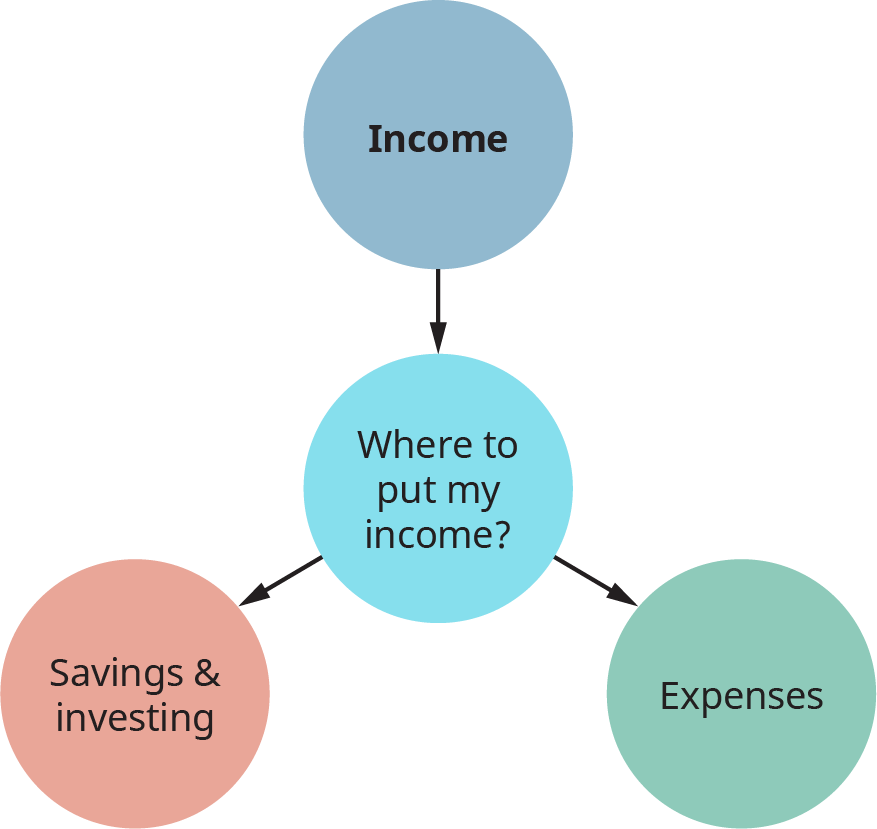
Separate business personal finance is a critical financial control requirement for every SME in Kenya. When business owners mix personal and business transactions, they destroy financial accuracy, increase tax exposure, and weaken legal protection under corporate law.
The Kenya Revenue Authority (Kenya Revenue Authority) now uses bank-level data matching and digital tax systems, meaning any financial mixing is easily detected during audits.
Under IFRS rules issued by the IASB, financial statements must reflect a true and fair view. Mixing personal and business transactions violates this principle and leads to unreliable reporting.
To restore accuracy, SMEs often require structured systems such as professional Bookkeeping Services.
Legal Risk: Piercing the Corporate Veil in Kenya
When SMEs fail to separate business personal finance, they risk piercing the corporate veil — a legal doctrine that removes the separation between owner and company.
This can result in:
- Personal liability for business debts
- Loss of limited liability protection
- Court reclassification of business income as personal income
To maintain legal separation and compliance, businesses should ensure proper governance through Company Secretarial Services.
Tax Risk: Why Mixing Finances Triggers KRA Penalties
Failure to separate business and personal finances leads directly to tax compliance issues.
Key Tax Risks
- Disallowed expenses during audits
- Incorrect VAT reporting
- Inflated or underreported income
- Full-scale KRA investigations
- Penalties and interest charges
These risks are managed through structured Tax Compliance Advisory.
SME Bookkeeping Mistakes in Kenya
One of the most common SME failures is the inability to separate business personal finance within accounting systems.
Common Mistakes
- One bank account for everything
- Paying personal expenses from business funds
- No documentation of owner withdrawals
- Poor expense classification
- Lack of monthly reconciliation
These errors require structured correction using professional Bookkeeping Services.
Clean Accounting Records: Why Separation Matters
When SMEs properly separate business personal finance, they achieve clean accounting records that improve decision-making and compliance.
Benefits
- Accurate profit reporting
- Easier tax filing
- Better loan approvals
- Improved cash flow visibility
- Reduced audit risk
Strategic financial oversight is strengthened through CFO Advisory Services.
Payroll and Financial Separation
Many SMEs confuse salary withdrawals with business profit, further weakening financial separation.
Structured payroll systems ensure:
- Clear salary vs profit distinction
- Proper tax treatment
- Accurate expense classification
This is supported through Payroll Services.
Audit Risk: Why Financial Mixing Gets Flagged
Auditors quickly identify businesses that fail to separate business personal finance because records show inconsistent cash flows and unclear expense structures.
Audit controls under Audit and Assurance Services help detect and correct:
- Suspicious transactions
- Unclassified withdrawals
- Inconsistent reporting patterns
Training & Internal Control Improvement
Many SMEs fail to separate finances due to lack of accounting knowledge and weak systems.
Capacity building through Adamjee Training Webinars helps business owners understand:
- Proper bookkeeping structure
- Financial discipline
- Compliance requirements
Strategic Outlook: Financial Discipline for SMEs
To survive in Kenya’s tightening compliance environment, SMEs must fully separate business personal finance and implement structured accounting systems.
Key priorities:
- Dedicated business bank accounts
- Proper bookkeeping systems
- Formal salary/dividend structures
- Monthly reconciliation
- Professional advisory support
Businesses that enforce financial separation achieve:
- Higher profitability accuracy
- Lower tax risk
- Stronger investor confidence
- Better compliance outcomes
Gain Clarity and Confidence in Your Finances Navigate the complexities of compliance, tax, and financial management with a trusted partner. Adamjee Auditors, a member of Santa Fe Associates International (SFAI), provides world-class audit, tax, and advisory services to help your business achieve its goals.
Schedule a consultation with our expert team in Nairobi or Mombasa to discuss your business needs.
Nairobi Office:
1st Floor, Le’Mac Building, Church Road, off Waiyaki Way, Westlands
+254 717 908 241
info@adamjeeauditors.com
Mombasa Office:
Suite 401, Motorwalla Building, Jomo Kenyatta Road
+254 703 899 606 / +254 717 908 241
info@adamjeeauditors.com
Web: https://adamjeeauditors.com/