
- A statutory audit validates that financial statements comply with the Companies Act 2015, IFRS standards, and KRA requirements; non-compliance can bring fines, reputational damage, or delayed approvals.
- From January 1, 2026, all expense claims lacking valid eTIMS invoices are automatically disallowed, so vendor invoices must be reconciled before filing to avoid higher taxable income.
- Early planning matters: for a December 31 year-end, reconciliation should begin at least two months prior, and 2026 accounts should be finalized by November 30, 2026 to allow for eTIMS validation and KRA submissions.
- Reconcile cash and bank, accounts payable, accounts receivable, and expenses, watching for unrecorded deposits, duplicate payments, outstanding balances, and non-compliant claims.
- The 2026 KRA Automated Payment Plan (APP) lets SMEs settle taxes in installments while remaining compliant, and early auditor engagement avoids the January rush and rushed, error-prone audits.
Completing a statutory audit early prevents last-minute compliance issues and costly penalties. Following these steps ensures your 2026 financial year-end is smooth and fully compliant. Proper planning improves accuracy, reduces audit risks, and strengthens financial reporting.
Why a Statutory Audit Kenya Guide is Crucial for Your Business
A statutory audit ensures your financial statements comply with the Companies Act, IFRS standards, and KRA requirements. Non-compliance can result in fines, reputational damage, or delayed approvals. Conducting a proper audit gives business owners verified data for decision-making and strategic planning.
A statutory audit in Kenya validates your financial reporting and builds trust with investors, banks, and regulators. In 2026, the KRA mandates eTIMS integration, requiring all claimed expenses to have valid eTIMS invoices. Missing documentation leads to disallowed deductions and higher taxable income.
Adamjee Advisory Insight: From January 1, 2026, all expense claims lacking eTIMS invoices are automatically disallowed. Companies must reconcile vendor invoices before filing to avoid penalties.
For more guidance on audits, see our Statutory Audit Kenya Guide.
Step 1: Confirm Your Financial Year-End Date
Knowing your company’s financial year-end allows you to schedule audits and filings efficiently. Misaligned dates can cause late submissions and penalties. Early planning ensures smooth preparation for annual audit and KRA filings.
All Kenyan companies must comply with Companies Act 2015 reporting timelines. For example, a December 31 year-end requires reconciliation and verification to begin at least two months prior.
Adamjee Advisory Insight: Companies planning for 2026 closures should finalize accounts by November 30, 2026, to accommodate eTIMS validation and KRA APP submissions.
Learn more about our Audit and Assurance Services to ensure compliance.
Step 2: Reconcile All Accounts and Financial Statements
Reconciliation of bank statements, payables, and receivables prevents errors during the audit. Unreconciled accounts often lead to adjustments, higher taxes, or compliance queries. Accurate reconciliation streamlines preparing for annual audit and KRA reporting deadlines.
Adamjee Advisory Insight: In 2026, reconciliation is critical as KRA will cross-check eTIMS invoices against claimed expenses. Mismatched or missing entries can trigger audit queries.
| Account Type | Year-End Action | Common Error |
|---|---|---|
| Cash & Bank | Match bank statements with ledgers | Unrecorded deposits |
| Accounts Payable | Verify all vendor invoices | Duplicate payments |
| Accounts Receivable | Confirm client receipts | Outstanding balances |
| Expenses | Ensure eTIMS invoice support | Non-compliant claims |
For expert bookkeeping support, visit Bookkeeping Services.
Step 3: Verify eTIMS Compliance for All Expenses
Expenses not backed by eTIMS-compliant invoices are disallowed for tax purposes in 2026. Ensuring compliance before year-end prevents penalties and audit delays.
Adamjee Advisory Insight: KRA enforces strict 2026 expense validation rules. Vendors without eTIMS invoices will cause deductions to be disallowed, increasing taxable income automatically.
For guidance on tax compliance, see Tax Compliance Advisory.
Step 4: Prepare Supporting Documentation for the Annual Audit
Collect contracts, invoices, and financial statements to ensure the audit team can verify all transactions efficiently. Missing documentation delays audit completion and increases risk of penalties.
Adamjee Advisory Insight: 2026 audits require both digital and physical copies of all financial year-end procedures. Adamjee Auditors integrates KRA crosschecks to identify gaps before submission.
Book an audit consultation through Audit and Assurance Services.
Step 5: Review KRA Filing Deadlines 2026
Identify all KRA deadlines to avoid late-filing penalties, including PAYE, VAT, and corporate tax. Early submissions allow time for corrections and audit adjustments.
Adamjee Advisory Insight: The 2026 KRA Automated Payment Plan (APP) allows SMEs to settle taxes in installments while remaining compliant. This provides flexibility without risking penalties.
Stay ahead of payroll obligations with Payroll Services.
Step 6: Conduct a Pre-Audit Review
Performing a pre-audit review internally helps detect discrepancies and errors early. Correcting issues before the audit reduces costs and ensures compliance.
Adamjee Advisory Insight: Adamjee Auditors provides a pre-audit health check to ensure your books, financial year-end procedures, and KRA submissions are aligned before the statutory audit.
Get strategic pre-audit guidance through CFO Advisory Services. 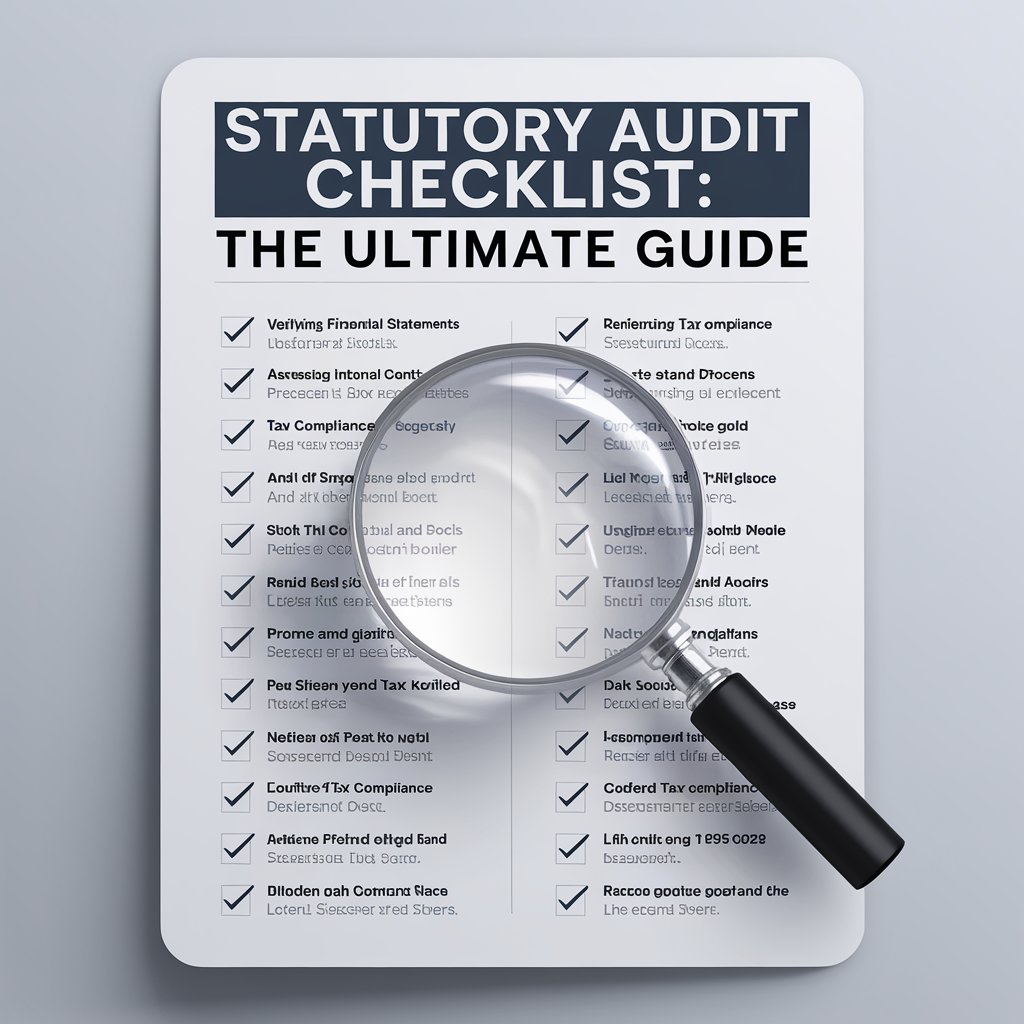
Step 7: Coordinate with Your Audit Team Early
Scheduling your audit team early avoids the January rush and ensures thorough review. Late coordination often leads to rushed audits and missed compliance gaps.
Adamjee Advisory Insight: With 2026’s tighter KRA rules, early auditor engagement ensures pre-audit adjustments are made, eTIMS compliance is verified, and year-end reporting is accurate.
Meet our experts on Our Team.
Common Mistakes to Avoid During Year-End Closing
Missing eTIMS invoices, unverified reconciliations, and late KRA filings are the most common compliance mistakes that attract penalties. Avoiding these prevents unnecessary audit adjustments.
| Mistake | Consequence in 2026 | Adamjee Advisory Tip |
|---|---|---|
| Non-eTIMS expense claims | Disallowed deductions, higher tax liability | Collect invoices early |
| Late bank reconciliations | Audit adjustments and delays | Reconcile monthly |
| Incomplete payroll records | PAYE disputes, penalties | Use automated payroll systems |
| Uncoordinated audit scheduling | Rush, missed errors | Schedule auditors early |
Adamjee Advisory Insights: 2026 Regulatory Updates
eTIMS Integration: Mandatory for all expense claims. Non-compliance triggers automatic disallowances.
KRA APP Tax Relief: Enables SMEs to spread corporate tax payments while remaining compliant.
Finance Act 2025 Impact: Adjusts allowable deductions and reporting requirements for SMEs.
IFRS Alignment: Ensures financial statements meet international standards while satisfying local regulations.
Explore Why Your Business Needs Offshore Accounting for international compliance strategies.
Key Takeaways for CEOs and CFOs
Early planning, strict eTIMS compliance, and internal pre-audits are essential. Avoid last-minute stress, penalties, and cash-flow surprises by executing financial year-end procedures methodically.
Checklist Summary Table:
| Step | Action Item | Priority |
|---|---|---|
| Confirm Financial Year-End Date | Verify statutory year-end | High |
| Reconcile Accounts | Cash, payables, receivables, expenses | High |
| eTIMS Invoice Validation | Ensure all expense claims have valid eTIMS invoices | Critical |
| Prepare Supporting Documentation | Contracts, statements, proof of payments | High |
| Review KRA Filing Deadlines 2026 | PAYE, VAT, Corporate Tax | Critical |
| Pre-Audit Review | Detect and correct discrepancies | High |
| Coordinate with Audit Team Early | Schedule audit and adjustments | High |
Gain Clarity and Confidence in Your Finances
Navigate the complexities of compliance, tax, and financial management with a trusted partner. Adamjee Auditors, a member of Santa Fe Associates International (SFAI), provides world-class audit, tax, and advisory services to help your business achieve its goals.
Schedule a consultation with our expert team in Nairobi or Mombasa to discuss your business needs.
Nairobi Office
1st Floor, Le’Mac Building, Church Road, off Waiyaki Way, Westlands
Phone: +254 717 908 241
Email: info@adamjeeauditors.com
Mombasa Office
Suite 401, Motorwalla Building, Jomo Kenyatta Road
Phone: +254 703 899 606 / +254 717 908 241
Email: info@adamjeeauditors.com
Website: https://adamjeeauditors.com/