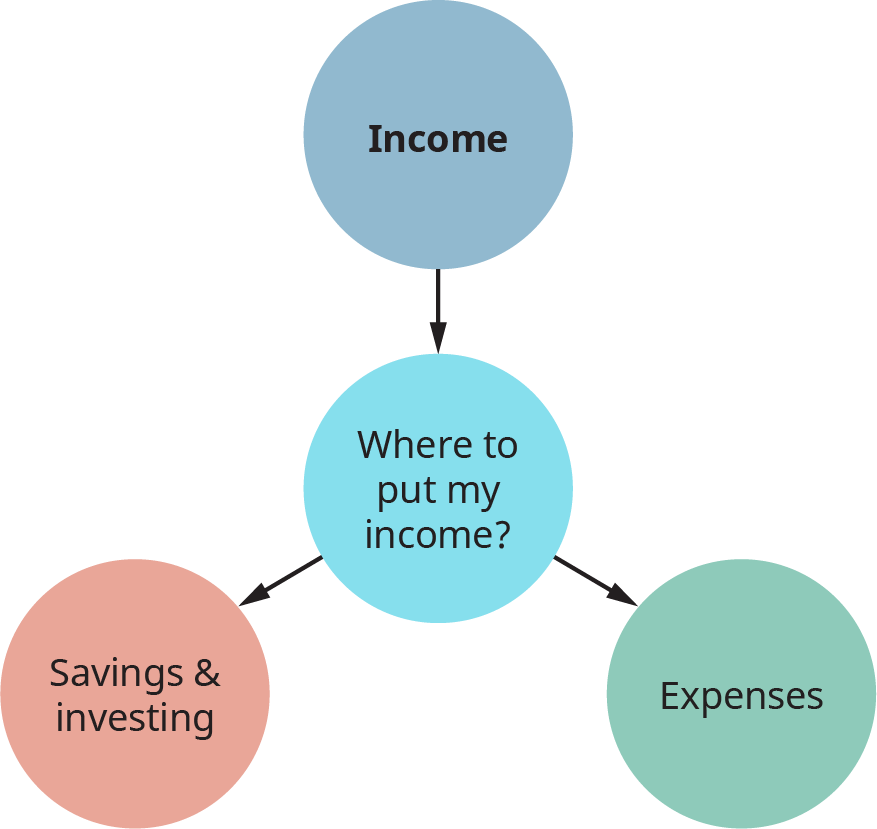

- Capital allocation is critical in 2026 due to a high cost of capital, eTIMS-driven financial transparency, Finance Act 2025 changes, and intense regional competition.
- Top Kenyan CFOs are prioritizing digital transformation, revenue optimization and cost control, compliance and risk infrastructure, talent development, and regional expansion.
- CFOs evaluate decisions using ROI, payback period, risk assessment, strategic fit, and compliance impact, supported by scenario planning and sensitivity analysis.
- From January 2026, expenses without eTIMS invoices are disallowed, which directly affects ROI calculations and investment feasibility.
- Common mistakes include over-investing in low-return legacy assets, ignoring compliance costs, and making decisions without accurate financial data.
What Is Strategic Capital Allocation and Why Does It Matter in Kenya?
Quick Advisory: Strategic capital allocation is the disciplined process of deploying financial resources into the highest-return opportunities aligned with long-term business goals. In Kenya’s dynamic 2026 economy, it determines whether a company scales sustainably or stagnates under competitive pressure.
Strategic capital allocation Kenya—it is about making deliberate decisions on where to invest, when to invest, and how much risk to take. For Kenyan CFOs, this involves balancing short-term profitability with long-term value creation.
With rising interest rates, evolving tax frameworks, and increased competition across sectors such as retail, manufacturing, fintech, and agribusiness, every capital decision carries greater weight. Poor allocation can tie up cash in low-performing assets, while smart allocation fuels growth, innovation, and resilience.
Why Is Strategic Capital Allocation Critical for Kenyan Businesses in 2026?
Quick Advisory: Capital allocation is critical in 2026 due to tighter liquidity, regulatory changes, and the need for scalable growth models. CFOs must prioritize efficiency, compliance, and return on investment more than ever before.
1. Rising Cost of Capital
Borrowing costs remain high, making it essential to ensure that every investment delivers measurable returns.
2. eTIMS and Financial Transparency
With KRA’s eTIMS system enforcing transaction-level accuracy, capital decisions must be backed by clean, verifiable financial data. Investments in systems and compliance are no longer optional.
3. Finance Act 2025 Implications
Changes introduced in the Finance Act 2025 have affected tax deductibility, incentives, and reporting requirements—directly influencing investment decisions.
4. Competitive Market Dynamics
Kenyan businesses are competing not only locally but regionally. Strategic allocation ensures resources are directed toward high-growth opportunities rather than legacy inefficiencies.
Where Are Top Kenyan CFOs Allocating Capital Today?
Quick Advisory: Top CFOs in Kenya are prioritizing technology, operational efficiency, market expansion, and compliance infrastructure. These investments are designed to drive scalable and sustainable growth.
1. Digital Transformation and Automation
CFOs are investing heavily in:
- ERP systems
- Cloud accounting platforms
- Data analytics tools
These technologies improve efficiency, reduce errors, and provide real-time insights for decision-making.
Explore how to choose the right systems in our Accounting Software Guide.
2. Revenue Optimization and Cost Control
Rather than focusing solely on growth, CFOs are:
- Investing in revenue assurance systems
- Streamlining supply chains
- Reducing operational waste
This ensures profitability improves alongside revenue.
3. Compliance and Risk Management Infrastructure
With stricter enforcement from KRA, businesses are allocating capital toward:
- Tax compliance systems
- Internal controls
- Audit readiness
Learn how to stay compliant through our Tax Compliance Service.
4. Talent and Leadership Development
Top-performing companies recognize that people drive performance. Investments include:
- Executive training programs
- Financial leadership development
- Retention strategies
Enhance your leadership capabilities through our Training Programs.
5. Regional Expansion and Market Diversification
Kenyan businesses are increasingly expanding into East and Central Africa. Capital is being allocated toward:
- Market entry strategies
- Local partnerships
- Cross-border compliance
For global scalability, explore our Offshore Accounting Services.
How Do CFOs Evaluate Capital Allocation Decisions?
Quick Advisory: CFOs use financial metrics, risk analysis, and strategic alignment to evaluate capital allocation decisions. Every investment must demonstrate clear ROI and align with long-term objectives.
Key Evaluation Criteria
| Criteria | Description |
|---|---|
| Return on Investment (ROI) | Expected profitability of the investment |
| Payback Period | Time required to recover the investment |
| Risk Assessment | Financial and operational risks involved |
| Strategic Fit | Alignment with business goals |
| Compliance Impact | Regulatory and tax implications |
CFOs also rely on scenario planning and sensitivity analysis to test different outcomes before committing capital.
What Common Mistakes Do Businesses Make in Capital Allocation?
Quick Advisory: Common mistakes include over-investing in low-return projects, ignoring compliance risks, and failing to adapt to market changes. Avoiding these pitfalls is essential for sustainable growth.
1. Overconfidence in Legacy Assets
Many businesses continue funding underperforming divisions instead of reallocating resources.
2. Ignoring Compliance Costs
Failure to account for tax and regulatory requirements can lead to penalties and reduced returns.
3. Lack of Data-Driven Decision Making
Without accurate financial data, capital allocation becomes guesswork.
Strengthen your financial foundation with our Bookkeeping Service.
Adamjee Advisory Insights: 2026 Capital Allocation Realities
Quick Advisory: In 2026, capital allocation must be compliance-driven, data-backed, and strategically aligned. CFOs who integrate regulatory insights into investment decisions gain a competitive edge.
eTIMS and Expense Validation
From January 2026, expenses without eTIMS invoices are disallowed. This directly impacts ROI calculations and investment feasibility.
Finance Act 2025 Changes
Tax incentives and deductibility rules have shifted, requiring CFOs to reassess investment strategies.
KRA Automated Payment Plan (APP)
Businesses can now manage tax liabilities through APP—but only with accurate financial reporting.
SFAI Global Advantage
Adamjee Auditors leverages the SFAI network to provide international insights tailored to Kenyan markets—ensuring globally competitive strategies.
How Can Businesses Build an Effective Capital Allocation Strategy?
Quick Advisory: An effective strategy requires clear priorities, strong financial data, and continuous performance monitoring. Businesses must remain agile and adapt to changing market conditions.
Step 1: Define Strategic Objectives
Align capital allocation with long-term business goals.
Step 2: Strengthen Financial Visibility
Ensure accurate and timely financial reporting.
Step 3: Prioritize High-Impact Investments
Focus on projects with the highest ROI and strategic value.
Step 4: Monitor and Adjust
Continuously track performance and reallocate resources as needed.
For expert guidance, explore our CFO Advisory Services.
Why Partner with Adamjee Auditors for Strategic Financial Advisory?
Quick Advisory: Adamjee Auditors provides expert, data-driven advisory services backed by global standards and deep local expertise. We help CFOs make confident, high-impact capital allocation decisions.
Our approach combines:
- In-depth financial analysis
- Regulatory expertise
- Strategic business insights
Learn more about our team on our About Us page or connect with us via our Contact Page.
Gain Clarity and Confidence in Your Finances
Navigate the complexities of compliance, tax, and financial management with a trusted partner. Adamjee Auditors, a member of Santa Fe Associates International (SFAI), provides world-class audit, tax, and advisory services to help your business achieve its goals.
Schedule a consultation with our expert team in Nairobi or Mombasa to discuss your business needs.
Nairobi Office
1st Floor, Le’Mac Building, Church Road, off Waiyaki Way, Westlands
Tel: +254 717 908 241
Email: info@adamjeeauditors.com
Mombasa Office
Suite 401, Motorwalla Building, Jomo Kenyatta Road
Tel: +254 703 899 606 / +254 717 908 241
Email: info@adamjeeauditors.com
Website: https://adamjeeauditors.com/