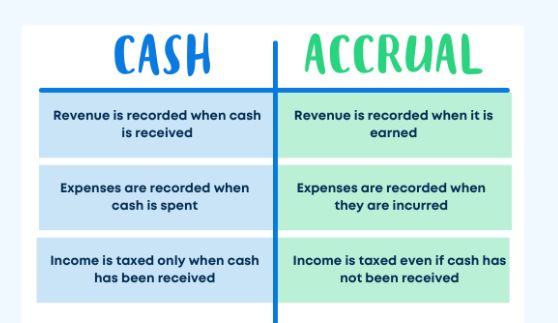
- Cash accounting records income and expenses when money changes hands; accrual records them when earned or incurred, even if unpaid.
- Accrual can tax you on unpaid invoices, creating liquidity pressure for SMEs with delayed receivables.
- The right method depends on business type: cash for cash-heavy retail, accrual for service SMEs, and accrual is mandatory for government contractors.
- Inconsistent or undisclosed switching of methods can trigger KRA audits and compliance penalties.
- Reassess your accounting method during rapid growth, before financing applications, or when crossing the VAT threshold.
Tax-Efficient Accounting ensures your business pays only what is legally due by selecting the correct accounting method and aligning revenue recognition with regulatory standards. Choosing the wrong method can artificially inflate taxable income and strain cash flow.
For many Kenyan SMEs, the difference between accrual and cash accounting directly affects tax exposure, working capital, and financial credibility. The issue is not simply compliance — it is strategy.
What Is Tax-Efficient Accounting?
Tax-Efficient Accounting is the strategic selection and application of accounting methods that legally minimize tax liability while remaining fully compliant with IFRS and KRA regulations.
The accounting method you adopt determines when income is recognized and when expenses are deducted. This timing difference alone can significantly alter your tax position.
Under Kenyan tax law and IFRS frameworks, businesses must apply accounting principles consistently and accurately. However, within those boundaries, there is room for strategic optimization.
Adamjee Advisory Insight 2026:
Increased KRA scrutiny on SME financial reporting means inconsistent application of accounting methods can trigger audits. A structured bookkeeping service ensures alignment between tax filings, financial statements, and revenue recognition IFRS standards.
Learn more about our Bookkeeping Services to ensure structured, compliant financial reporting.
Accrual vs. Cash Accounting: The Core Difference
Accrual accounting recognizes income when earned and expenses when incurred, while cash accounting recognizes transactions only when money changes hands.
Cash Accounting
Under cash accounting:
-
Revenue is recorded when payment is received.
-
Expenses are recorded when paid.
-
Tax liability is based on actual cash flow.
This method benefits businesses with delayed receivables or tight liquidity.
Accrual Accounting
Under accrual accounting:
-
Revenue is recognized when earned (even if unpaid).
-
Expenses are recorded when incurred.
-
Taxable income may include unpaid invoices.
For growing SMEs, accrual can create the illusion of profitability while cash remains constrained.
Adamjee Advisory Insight 2026:
Many SMEs experience inflated tax bills because accrual-based income is recognized before payment is collected. Without structured receivables management, this can distort tax planning.
Explore our Tax Compliance Advisory to ensure your accounting method aligns with your tax strategy.

1. Timing of Revenue Recognition Can Inflate Taxable Income
Improper revenue recognition under accrual accounting may cause businesses to pay tax on income not yet received.
Under revenue recognition IFRS standards, income is recorded once performance obligations are satisfied — not when payment is received.
For example:
-
A construction SME invoices KES 5 million in December.
-
Payment is scheduled for March.
-
Under accrual accounting, December taxable income increases immediately.
If margins are thin, this creates liquidity pressure.
Tax-Efficient Accounting evaluates whether cash accounting (where eligible) provides better cash flow management for SMEs.
2. Expense Recognition Directly Impacts Deductibility
Delayed expense recognition under the wrong accounting method can artificially increase profit and tax liability.
Cash accounting only recognizes expenses once paid. Accrual accounting recognizes them when incurred.
In some cases:
-
Suppliers invoice late.
-
Costs are incurred but not formally recorded.
-
Year-end adjustments are missed.
This leads to overstated profit and higher corporate tax.
Adamjee Advisory Insight 2026:
KRA increasingly requests detailed expense validation during audits. A professional bookkeeping service ensures proper documentation and timing compliance.
Our Audit and Assurance Services help validate expense recognition before tax filing deadlines.
3. SME Growth Stage Determines the Optimal Method
The correct accounting method depends on your business structure, revenue model, and compliance requirements.
Accounting methods for Kenyan SMEs vary depending on:
| Business Type | Recommended Approach | Risk Factor |
|---|---|---|
| Small retail (cash-heavy) | Cash accounting | Minimal receivable distortion |
| Service-based SME | Accrual accounting | Revenue timing risk |
| Government contractors | Accrual mandatory | Delayed payments impact tax |
| Startups | Hybrid advisory | Compliance transition risk |
Tax-Efficient Accounting evaluates growth trajectory before locking into a reporting structure.
Adamjee Advisory Insight 2026:
SMEs crossing VAT thresholds or seeking bank financing may be required to transition to accrual accounting. Strategic timing prevents sudden tax shocks.
4. Cash Flow vs. Reported Profit Mismatch
Accrual accounting can show profitability while cash flow remains negative, increasing financial strain and tax exposure.
This mismatch creates three risks:
-
Higher tax payable despite low liquidity.
-
Increased borrowing.
-
Distorted financial credibility.
Banks assess both profitability and liquidity. Misalignment between the two signals financial instability.
Our CFO Advisory Services assist businesses in aligning financial reporting with strategic growth objectives.
5. Compliance Risks Under IFRS and KRA Rules
Incorrect switching or inconsistent application of accounting methods can trigger compliance penalties.
Revenue recognition IFRS standards require consistency. KRA requires transparent, traceable financial records.
Common compliance issues include:
-
Switching methods without disclosure.
-
Improper year-end adjustments.
-
Lack of documentation for deferred income.
-
Incomplete ledger reconciliation.
Adamjee Advisory Insight 2026:
KRA reconciliation audits increasingly cross-reference eTIMS, VAT returns, and financial statements. Discrepancies between accounting methods and tax declarations raise red flags.
Our Training Webinars provide practical guidance on maintaining compliant accounting systems.
When Should You Reassess Your Accounting Method?
You should reassess your accounting method during rapid growth, before financing applications, or when experiencing unexpected tax increases.
Trigger points include:
-
Significant increase in receivables.
-
Transition from small trader to VAT-registered entity.
-
Applying for bank financing.
-
Entering government contracts.
-
Expanding regionally.
Tax-Efficient Accounting is not about avoidance. It is about lawful optimization.
Common Mistakes That Inflate SME Tax Bills
| Mistake | Impact | Solution |
|---|---|---|
| Using accrual without cash planning | Tax on unpaid invoices | Cash flow forecasting |
| Ignoring revenue recognition IFRS | Audit risk | Structured compliance review |
| Poor ledger reconciliation | Inflated profit | Monthly bookkeeping service |
| Late expense recording | Higher taxable income | Expense validation system |
| Switching methods informally | KRA penalties | Professional advisory oversight |
Strategic Recommendation for 2026
Tax-Efficient Accounting requires proactive planning, not reactive tax filing.
For Kenyan SMEs in 2026:
-
Review accounting methods annually.
-
Align revenue recognition with actual performance obligations.
-
Monitor cash flow against reported profit.
-
Engage professional bookkeeping service providers for structured oversight.
Adamjee Advisory Insight 2026:
The accounting talent gap is widening, and regulatory scrutiny is increasing. Outsourced advisory support reduces compliance risk while optimizing financial strategy.
Final Executive Summary
The choice between accrual and cash accounting directly influences tax liability, liquidity, and financial stability. Tax-Efficient Accounting ensures your business pays neither too early nor unnecessarily high taxes while remaining fully compliant.
If your tax bill feels disproportionate to your cash position, your accounting method may be the cause.
Gain Clarity and Confidence in Your Finances
Navigate compliance, tax, and financial strategy with a trusted partner. Adamjee Auditors, a member of Santa Fe Associates International (SFAI), provides world-class audit, tax, and advisory services tailored to Kenyan SMEs.
Schedule a consultation with our expert team in Nairobi or Mombasa.
Nairobi Office
1st Floor, Le’Mac Building, Church Road, off Waiyaki Way, Westlands
Phone: +254 717 908 241
Email: info@adamjeeauditors.com
Mombasa Office
Suite 401, Motorwalla Building, Jomo Kenyatta Road
Phone: +254 703 899 606 / +254 717 908 241
Email: info@adamjeeauditors.com
Website: https://adamjeeauditors.com/