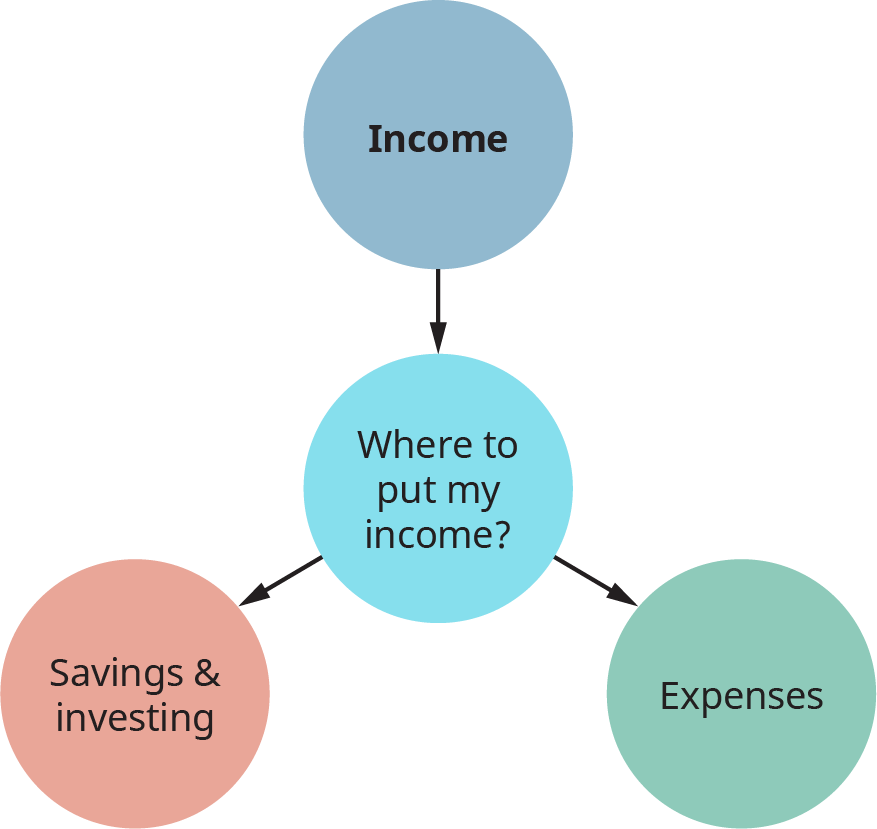

- Building a cooperative budget takes six steps: gather historical financial data, estimate production levels, identify revenue sources, estimate expenses, prepare a budget summary, then obtain board approval before implementation.
- A cooperative budget typically covers projected crop income from maize, tea, coffee, dairy and horticulture, input costs for fertilizer, seeds, pesticides and labour, operational expenses such as transport, storage and admin, and member payouts and savings contributions.
- Variance in agricultural cooperatives falls into four categories: cost variance, revenue variance, yield variance and efficiency variance.
- A variance report is prepared in five steps: set budget benchmarks from the approved annual budget, collect actual data, compare budget against actual for each category, analyse causes, and prepare a report summary with recommendations.
- Recommended practice is monthly financial reporting, regular audits, transparent member communication, use of digital accounting tools, and budget-versus-actual reviews every quarter.
- In 2026 agricultural financing institutions increasingly require structured financial budgets and audited financial statements before approving loans or grants, so cooperatives without formal budgeting systems risk losing access to financing.
Financial budgeting for agribusiness cooperatives in Kenya is the structured process of planning income, expenses, and financial targets to ensure stability, accountability, and sustainable growth for farming groups and SACCOs.
Without proper budgeting and variance reporting, agricultural cooperatives struggle with cash leakage, poor accountability, and inefficient use of member contributions.
Smallholder farmer cooperatives play a critical role in Kenya’s agricultural economy, yet many operate without formal financial systems. This leads to inconsistent reporting, weak governance, and difficulty in securing funding or grants.
For cooperative leaders, treasurers, and boards, budgeting is not just accounting—it is governance, transparency, and survival.
Adamjee Auditors, a member of SFAI Global, supports cooperatives and agribusiness entities in building structured financial systems aligned with modern audit and compliance standards.
What is Financial Budgeting for Agribusiness Cooperatives?
Financial budgeting for agribusiness cooperatives in Kenya is the process of forecasting income and expenses for farming activities to ensure proper allocation of member resources and financial control.
It provides a financial roadmap that guides decision-making throughout the farming cycle.
A cooperative budget typically includes:
- Projected crop income (maize, tea, coffee, dairy, horticulture)
- Input costs (fertilizer, seeds, pesticides, labor)
- Operational expenses (transport, storage, admin costs)
- Member payouts and savings contributions
Budgeting ensures that every shilling contributed by members is accounted for and strategically allocated.
For structured financial systems, cooperatives often rely on:
Why Budgeting is Critical for Farmer Cooperatives in Kenya
Financial budgeting for agribusiness cooperatives in Kenya is essential for maintaining transparency, preventing mismanagement, and improving member trust.
It also ensures efficient use of agricultural inputs and maximizes profitability per farming cycle.
Agricultural cooperatives face unique financial challenges:
- Seasonal income cycles
- Dependency on weather conditions
- Fluctuating commodity prices
- Collective decision-making structures
Without a budget, cooperatives risk:
- Overspending on inputs
- Delayed farmer payments
- Misuse of member funds
- Inability to plan for drought or market shocks
To strengthen governance and oversight:
Steps to Build a Financial Budget for a Cooperative
Financial budgeting for agribusiness cooperatives in Kenya begins with accurate data collection from all farming and operational activities.
A realistic budget must reflect both seasonal income patterns and expected input costs.
Step 1: Gather Historical Financial Data
Review past seasons’:
- Crop yields
- Sales revenue
- Input costs
- Operational expenses
Step 2: Estimate Production Levels
Forecast expected output per crop or livestock activity.
Step 3: Identify Revenue Sources
Include:
- Crop sales
- Milk production
- Grants or subsidies
- Member contributions
Step 4: Estimate Expenses
Include:
- Inputs (fertilizer, seeds, chemicals)
- Labor costs
- Transport and logistics
- Storage and processing
Step 5: Prepare Budget Summary
Compare expected income vs expenses.
Step 6: Approve and Implement
Cooperative board approval is essential before execution.
In 2026, agricultural financing institutions in Kenya are increasingly requiring structured financial budgets before approving loans or grants. Cooperatives without formal budgeting systems may struggle to access funding or subsidies.
What is Variance Reporting in Cooperatives?
Financial budgeting for agribusiness cooperatives in Kenya must be paired with variance reporting to track differences between planned and actual performance.
Variance reports help cooperatives understand financial performance gaps and improve decision-making.
Variance reporting compares:
- Budgeted figures vs actual results
It answers critical questions:
- Did we overspend on inputs?
- Did we achieve expected yields?
- Are revenues aligned with projections?
This ensures accountability and transparency.
Types of Variance in Agricultural Cooperatives
Financial budgeting for agribusiness cooperatives in Kenya becomes more effective when variances are categorized into cost, revenue, and efficiency gaps.
Each type of variance highlights specific operational weaknesses.
1. Cost Variance
Difference between expected and actual input costs.
2. Revenue Variance
Difference between projected and actual sales income.
3. Yield Variance
Difference in expected vs actual agricultural output.
4. Efficiency Variance
Measures productivity differences in labor or resource use.
For better financial control systems:
How to Prepare a Variance Report
Financial budgeting for agribusiness cooperatives in Kenya is incomplete without structured variance analysis to monitor performance.
Variance reporting helps identify inefficiencies and improve future planning.
Step 1: Set Budget Benchmarks
Use approved annual budget as baseline.
Step 2: Collect Actual Data
Gather financial and operational results.
Step 3: Compare Budget vs Actual
Calculate differences for each category.
Step 4: Analyze Causes
Identify reasons for variances:
- Weather changes
- Market price shifts
- Input cost inflation
- Operational inefficiencies
Step 5: Prepare Report Summary
Highlight key findings and recommendations.
For structured oversight:
Common Financial Challenges in Farmer Cooperatives
Financial budgeting for agribusiness cooperatives in Kenya is often weakened by poor record keeping and lack of financial expertise.
These challenges reduce transparency and financial efficiency.
1. Poor Record Keeping
Manual systems lead to errors and missing data.
2. Lack of Financial Training
Committee members may lack accounting skills.
3. Seasonal Cash Flow Pressure
Income is irregular and seasonal.
4. Mismanagement Risks
Weak controls increase risk of fund misuse.
Digital agriculture finance tools are becoming more common in Kenya, but adoption remains uneven. Cooperatives that adopt structured accounting systems and digital reporting are more likely to access credit and government support.
Best Practices for Cooperative Financial Management
Financial budgeting for agribusiness cooperatives in Kenya improves significantly when governance, reporting, and accountability systems are standardized.
Strong internal controls reduce financial leakage and improve trust among members.
Recommended practices:
- Monthly financial reporting
- Regular audits
- Transparent member communication
- Use of digital accounting tools
- Budget vs actual reviews every quarter
Explore:
2026 Agricultural Finance Outlook
Financial budgeting for agribusiness cooperatives in Kenya is becoming more compliance-driven due to increased donor and lender requirements.
Structured financial reporting is now a prerequisite for funding access.
Key 2026 developments:
- Increased requirement for audited financial statements for funding eligibility
- Greater adoption of digital cooperative management systems
- Integration of financial reporting with agricultural supply chain platforms
- Stronger governance expectations from regulators and donors
Cooperatives that fail to modernize financial reporting risk losing access to financing opportunities.
Conclusion
Financial budgeting for agribusiness cooperatives in Kenya is essential for sustainable agricultural growth, transparency, and accountability. When combined with variance reporting, it provides a powerful framework for performance tracking and financial discipline.
Cooperatives that adopt structured budgeting systems improve member trust, access funding more easily, and achieve better operational efficiency in Kenya’s evolving agricultural economy.